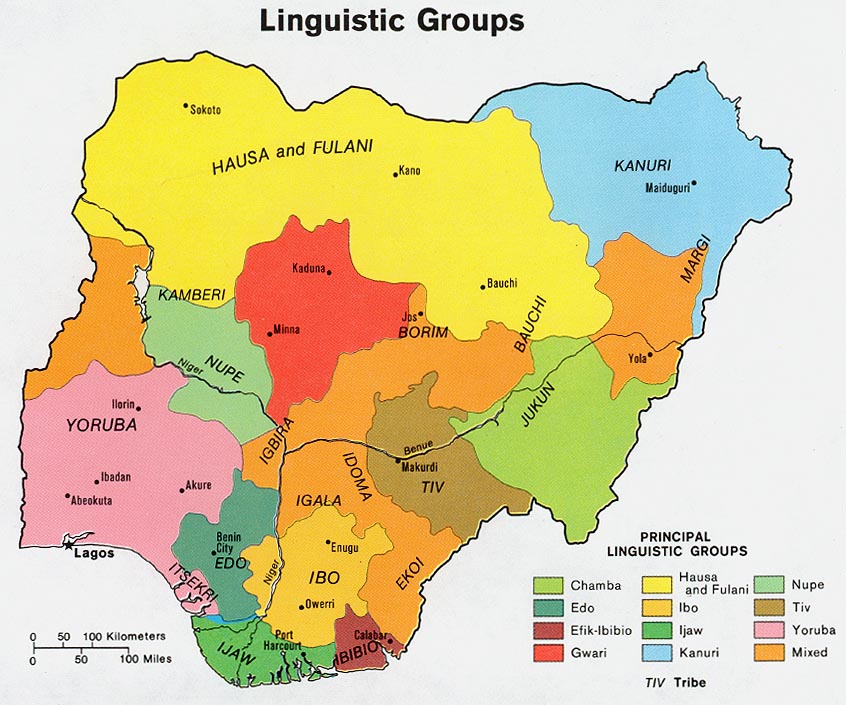
The Kudu-Camo are a small indigenous people of Nigeria whose language, also called Kuda-Chamo, belongs to the East Kainji branch of the Niger-Congo language family. The East Kainji languages are spoken across a compact area of north-central Nigeria, and most of the languages in this group remain poorly documented. The Kudu-Camo are associated with Bauchi State, a region that has been home to a remarkable diversity of small ethnic and linguistic communities across many centuries.
The Kainji language family, to which the Kudu-Camo language belongs, has deep roots in the Nigerian middle belt, and its fragmented distribution today likely reflects centuries of pressure from neighboring and expanding language groups. The Kudu-Camo have maintained a distinct identity within this complex environment across many generations. Their language now stands in a precarious position, with active first-language use thought to be limited largely to older members of the community as younger generations shift toward Hausa and English in daily life.
The Kudu-Camo live in north-central Nigeria, where subsistence agriculture forms the backbone of daily life for most rural communities. Farming, small-scale trade, and household labor mark the rhythms of the week for most families. Hausa serves as the dominant language of wider communication across Bauchi State and the surrounding region, and most Kudu-Camo individuals are likely multilingual, moving between their mother tongue, Hausa, and possibly English across different social contexts.
The Kudu-Camo language is thought to be actively used as a first language primarily among elderly speakers and is not known to be transmitted through formal schooling. Younger generations are growing up without consistent exposure to the language in structured settings, placing the community's distinct linguistic heritage under serious long-term pressure. Despite this, community and family life continues to be shaped by the local relationships and customary bonds that have defined the group across generations.
A significant portion of the Kudu-Camo community identifies as Christian, reflecting the meaningful gospel presence that has taken root among them. This is a community that has been reached with the message of Jesus Christ, and the church has an established foothold in their midst. Traditional religious beliefs and practices may persist in some form alongside Christian profession in certain households, as is common in many communities across this region of Nigeria. Where such practices occur, they exist alongside rather than in place of Christian identity. Islam also has a presence in the broader social environment of Bauchi State and may influence some within the community. The depth of personal faith and biblical understanding will vary from person to person, and the need for genuine, grounded discipleship remains real even where the gospel has already arrived.
Although the Kudu-Camo have been reached with the gospel, the work of building a mature, rooted, and reproducing church community continues. Believers need sound biblical teaching, capable local church leaders, and consistent opportunities for discipleship and spiritual growth. The critically endangered state of the Kudu-Camo language means that gospel resources in the mother tongue are limited, and most Christian engagement likely takes place through Hausa or other regional languages. Scripture and teaching materials that can reach believers in a language they know well remain an important need. Families need the stability and encouragement of a faithful church community, and young people need to encounter Jesus Christ in a living and personal way rather than simply inheriting a Christian label. The church among the Kudu-Camo also needs a growing vision to share the hope of Christ with those around them who have not yet believed.
Pray that the Christians among the Kudu-Camo would grow in their knowledge of and love for Jesus Christ, moving from initial faith into deep and lasting discipleship.
Ask God to raise up and strengthen local church leaders who will shepherd this small community with faithfulness, biblical wisdom, and genuine pastoral care.
Pray for Kudu-Camo families to be grounded in the gospel across generations, and for children and young people to come to a personal and saving faith in Christ.
Ask the Lord to provide scripture and discipleship resources in languages that reach the hearts of Kudu-Camo believers most effectively.
Ask God to stir within the Kudu-Camo church a vision to carry the hope of Christ to Muslims who lack the hope that only Jesus Christ can provide.
Scripture Prayers for the Kudu-Camo in Nigeria.
| Profile Source: Joshua Project |