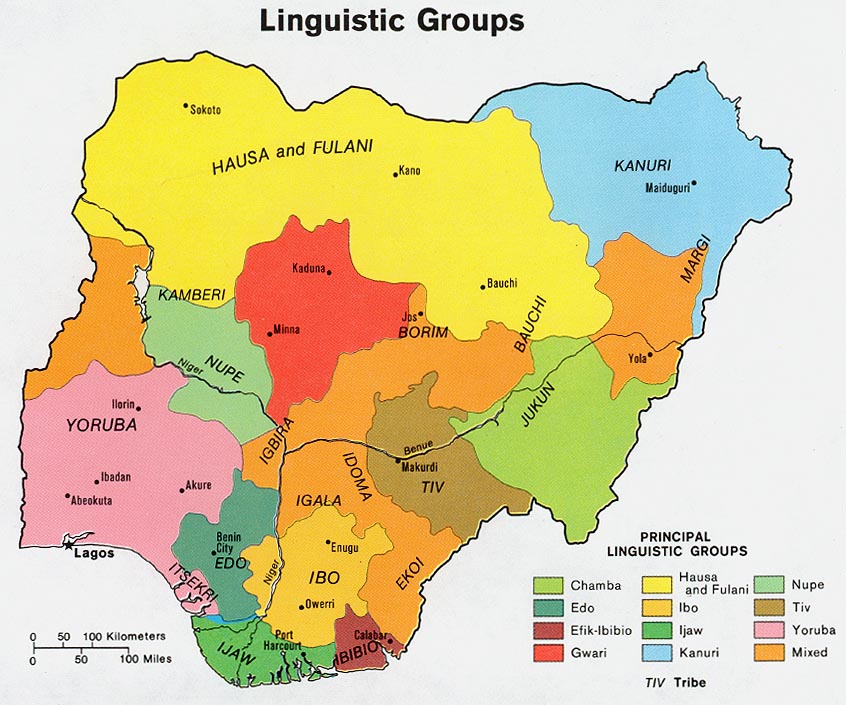
The Oloma people live in Edo State, Nigeria, specifically in the Akoko-Edo Local Government Area, where their community is one of the historic settlements connected to broader Akoko-Edo heritage. Their origins trace back to a founder named Oloma who left Benin with his family and resettled in the area after periods of displacement caused by conflict. According to historical records, the community re-formed around 1890 after returning from refuge in nearby villages.
Their language is Oloma, belonging to the Edoid branch of the Niger–Congo family. It remains the primary language spoken among adults in the community, though like many minority languages in Nigeria, it faces long-term challenges due to outside linguistic pressures.
The Oloma community historically developed age-grade systems, hereditary leadership through designated family lines, and a council structure that guided village governance. Over time, they integrated into the cultural mosaic of Akoko-Edo but continue to maintain a distinct identity rooted in family lineage and community memory.
The Oloma people live in a rural environment where farming, trade, and craftsmanship form the backbone of daily life. Many households cultivate crops such as yam, cassava, maize, vegetables, and fruit. Local markets remain important gathering places for exchanging produce, buying goods, and reinforcing social ties.
Family relationships are central. Households often include extended family members who share responsibilities and support one another. Elders hold respected positions and guide younger generations in cultural traditions, oral history, and community expectations.
Traditional customs include age-grade initiation, inheritance patterns, community decision-making, and marriage arrangements influenced by longstanding norms. Weddings, festivals tied to the agricultural cycle, and celebrations of ancestral heritage remain key community events. These gatherings reinforce unity, celebrate identity, and help pass culture to the next generation.
Christianity is the primary religion among the Oloma people. Many participate in church life, attend regular worship, and integrate Christian values into family and community affairs. A smaller number maintain elements of traditional belief or Islamic practice, though Christianity is broadly influential.
As Bible-believing followers of Christ, we affirm that Jesus alone offers forgiveness, restoration, and eternal hope. The gospel can continue to bring deeper transformation among the Oloma as believers grow in Scripture, discipleship, and Christ-centered living.
Physical needs include improved access to healthcare, reliable water sources, and sustainable agricultural resources. Rural communities in Akoko-Edo often face limited infrastructure, seasonal food vulnerability, and challenges with transportation for school, work, and trade.
Educational resources, especially those that help preserve the Oloma language, would strengthen cultural continuity. Spiritually, believers benefit from continued discipleship, strong biblical teaching, and encouragement to walk faithfully in Christ amid pressures from surrounding cultures.
Pray for strong spiritual growth among Oloma Christians as they deepen their walk with Christ.
Pray for improved access to clean water, healthcare, and agricultural stability for all families.
Pray for effective discipleship, faithful local leaders, and ongoing engagement with Scripture.
Pray that Oloma believers will join the wider church in bringing the gospel to less-reached peoples, especially in northern Nigeria.
Scripture Prayers for the Oloma in Nigeria.
https://joshuaproject.net/people_groups/20762/NI
https://en.wikipedia.org/wiki/Oloma_language
https://edoworld.net/Akoko_Edo_The_History_of_Oloma.html
https://www.ethnologue.com/language/olm
| Profile Source: Joshua Project |