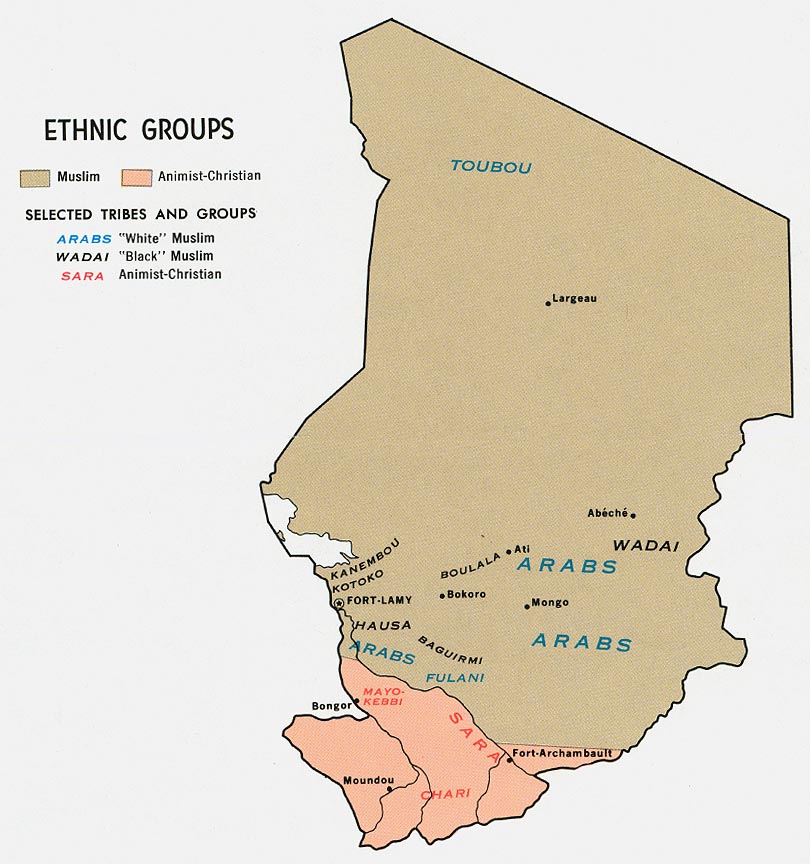
The Lele are an East Chadic people living primarily in the Tandjilé Region of southwestern Chad, especially in the Tandjilé Ouest area south of the town of Kélo. Their identity is rooted in the broader Afro Asiatic and Chadic cultural sphere, shaped by long-standing village settlement, interethnic interaction, and agricultural traditions. Their history reflects the gradual development of small-scale farming communities, the influence of regional trade routes, and the cultural continuity of Chadic-speaking peoples across southern Chad.
The Lele speak the Lele language, an East Chadic tongue within the Nancere subgroup. It is used in daily communication and taught in some primary schools, and many Lele also speak regional languages for trade and interaction.
Their livelihoods revolve around farming, herding, and participation in local markets. Families cultivate staple crops, maintain livestock, and rely on seasonal rhythms to guide agricultural work. Social life is organized around extended families, village elders, and community gatherings tied to planting, harvest, and local celebrations. Oral traditions, respectful forms of speech, and community hierarchy play important roles in maintaining cultural cohesion.
The Lele's largest religion is Islam, which shapes much of their community life, moral expectations, and ceremonial rhythms. Alongside Islamic practice, some Lele have also been influenced by Christianity, and elements of older indigenous beliefs may continue in subtle ways. These older traditions include respect for ancestors, traditional healing, and rituals tied to the natural environment. Their religious landscape reflects a layered blend of Islamic teaching, occasional Christian influence, and longstanding cultural understandings of the spiritual world.
The Lele face challenges common to rural communities in southwestern Chad. Access to consistent healthcare, education, and transportation can be limited by geographic distance and infrastructure constraints. Agricultural livelihoods are vulnerable to environmental pressures and limited access to improved tools or farming methods. Language preservation is also a concern, as younger generations may shift toward more dominant regional languages. Strengthening local leadership, improving community resources, and supporting cultural continuity remain important for long-term stability and well-being.
Pray that Lele believers would grow in spiritual depth and become Christian workers who bring the hope of Christ to neighboring peoples who have not yet embraced the gospel. Pray for strong local leadership within their churches, for unity among families, and for wisdom as they navigate economic and cultural pressures. Pray for resilience in preserving their language and heritage, and for God's provision in strengthening their health, education, and livelihood systems.
Scripture Prayers for the Lele in Chad.
Language and Ethnography: Wikipedia (Lele language, Chad); Omniglot (Lele language); Glottolog (Lele, Chad) People and Beliefs: Joshua Project; Ethnologue (regional religious context); AI Supported Synthesis: copilot.microsoft.com
| Profile Source: Joshua Project |