


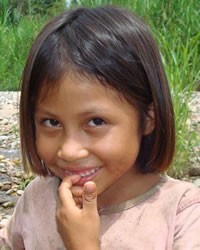

The Tsimane, also known as Chimane or Mosetén, are an indigenous people living primarily in the Beni Department of Bolivia, along rivers such as the Maniqui and Quiquibey. Their language, Tsimane, is a linguistic isolate closely related only to Mosetén, and it remains distinct from Spanish, which is used mainly for trade and schooling.
Historically, the Tsimane resisted full integration into Jesuit and Franciscan missions during the colonial era, maintaining their cultural autonomy despite attempts at conversion and settlement. They have inhabited the lowland forests east of the Andes for centuries, practicing a semi-sedentary lifestyle and preserving their ethnic identity despite external pressures.
The Tsimane live in small villages of 50 to 150 people, often composed of extended family clusters. Their economy is based on swidden agriculture, hunting, fishing, and gathering forest products. They cultivate crops such as manioc, plantains, rice, and corn, and they rely heavily on rivers for fishing and fertile soils. While some communities have schools where children learn Tsimane and Spanish, most villages lack electricity and running water. Market integration is slowly increasing, with occasional wage labor and trade, but many Tsimane remain hesitant to adopt outside influences, valuing their cultural identity and autonomy.
The Tsimane traditionally practice animism, viewing natural elements such as rivers, forests, and animals as possessing spiritual essence. While some exposure to Christianity occurred during missionary efforts in the colonial period, traditional beliefs remain strong, and syncretism is common. Rituals and practices often center on maintaining harmony with nature and ancestral spirits, reflecting their deep connection to the environment.
Access to healthcare is a major challenge, as remote locations and a lack of infrastructure make medical services scarce, leaving communities vulnerable to infections and preventable diseases. Educational resources are limited, with few schools and insufficient materials, which restrict literacy and opportunities for younger generations. Economic stability is difficult to achieve because reliance on subsistence farming and occasional trade leaves families exposed to environmental changes and market fluctuations.
Pray for the Tsimane to encounter the hope of the gospel in ways that respect their language and culture. Ask for wisdom and perseverance for those working to translate and distribute Scripture in Tsimane, so that God's word becomes accessible and transformative. Intercede for spiritual openness among community leaders and families, that they may experience peace and unity in Christ amid social and economic pressures.
Scripture Prayers for the Tsimane in Bolivia.
PeopleGroups.org – Tsimane
UNM-UCSB Tsimane Health and Life History Project
Wikipedia – Tsimané
Ethnographic Report – Tsimane
| Profile Source: Joshua Project |


