


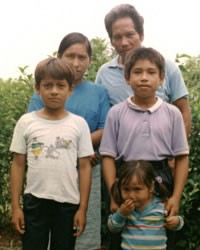

The Trinitario people live primarily in the tropical lowlands of Bolivia, especially in the Beni Department. They speak the Trinitario language, which is part of the Mojeño linguistic family and remains in active use among communities, although Spanish is increasingly spoken for trade and education.
Historically, the Trinitario were part of the Jesuit mission system during the colonial era, which introduced Catholic traditions while allowing some Indigenous customs to persist. Their identity has been shaped by centuries of adaptation and resistance, maintaining cultural practices such as ceremonial dances and oral storytelling despite pressures from modernization and land encroachment.
The Trinitario live along rivers and in forested areas, relying on fishing, hunting, and small-scale agriculture for subsistence. They cultivate crops such as manioc, plantains, and maize, and they craft items from local materials for household use and occasional trade. Many communities face challenges from environmental degradation caused by cattle ranching, logging, and infrastructure projects, which threaten their traditional livelihoods. Seasonal flooding and droughts, intensified by climate change, further impact food security. While some younger members migrate to urban areas for education and employment, elders work to preserve language and cultural traditions through community-led initiatives.
The Trinitario practice a syncretized form of Catholicism that blends traditional animistic beliefs with Catholic rituals. While Catholic saints and festivals are observed, these practices often incorporate indigenous spiritual elements, such as reverence for rivers and forests as sacred spaces. This fusion reflects their historical experience with missionary influence and their enduring connection to nature and ancestral traditions.
Healthcare access remains limited, leaving communities vulnerable to preventable diseases and lacking adequate medical facilities. Educational opportunities are insufficient, particularly in remote villages, which restrict literacy and vocational skills for younger generations. Legal recognition and protection of ancestral lands are critical, as ongoing deforestation and land grabs threaten both their cultural heritage and their ability to sustain traditional livelihoods.
Pray for the Trinitario to experience a deep understanding of the gospel that speaks to their cultural context and spiritual questions.
Ask for wisdom and perseverance for those sharing Christian materials in the Trinitario language, so that God's word becomes accessible and transformative.
Intercede for community leaders to find strength and unity in Christ as they face pressures from cultural erosion and environmental challenges.
Pray for Trinitario Christians to become part of God's global workforce to extend the gospel.
Scripture Prayers for the Trinitario in Bolivia.
PeopleGroups.org – Trinitario
Intercontinental Cry – The Trinitario: River Dwellers of the Bolivian Lowlands
| Profile Source: Joshua Project |


