


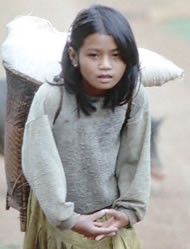

The Southern Mnong are one of the Mnong subgroups living in the Central Highlands of southern Vietnam, particularly in the forested and mountainous areas of provinces such as Dak Nong, Dak Lak, Lam Dong, and Binh Phuoc. Their language belongs to the Mon-Khmer branch of the Austroasiatic language family, and it is closely related to the languages of other highland peoples in the region.
The Mnong people have lived in the highlands for many generations and are considered among the longstanding inhabitants of the region. Traditionally, they lived in small villages surrounded by forests and farmland. Each village functioned as a close-knit community where families worked together and followed the leadership of respected elders or village chiefs.
Historically, the Mnong were known for their close relationship with the forest. They hunted wild animals, gathered forest products, and cultivated crops on upland fields. In some areas they also became known for capturing and training elephants, which were used for transport and work. Over time, contact with the Vietnamese majority and modern economic changes have influenced their lifestyle, but many traditional customs and social patterns remain an important part of their identity.
Most Southern Mnong communities live in rural villages where agriculture is the center of daily life. Many families grow upland rice as their main crop. They also cultivate maize, beans, bananas, vegetables, and other crops in small fields cleared from the forest. Livestock such as pigs, chickens, and buffalo are commonly raised to provide food and income. Hunting, fishing, and gathering forest plants have traditionally supplemented their diet.
Rice is the staple food. Meals are often prepared in clay pots or cooked in bamboo tubes over an open fire. Vegetables, roots, and forest plants are commonly eaten, and rice wine is sometimes shared during gatherings and celebrations.
Family life is strongly connected to community traditions. In many Mnong groups, family lines follow the mother's side, and women play a central role in household life. Villages often include extended families living near one another and supporting each other in farming, building homes, and caring for children.
Homes are typically built of wood and bamboo, sometimes raised on stilts and sometimes built directly on the ground with thatched roofs. Villages usually consist of several households clustered together, forming a close community.
Celebrations are important social events. Music from gongs, drums, and other traditional instruments accompanies dances and storytelling. Traditional epics are sometimes sung or recited, preserving the history and identity of the people. Ceremonies connected with harvests, funerals, or important community events often include shared meals and gatherings of the whole village.
Christianity has spread widely among Southern Mnong communities, and most consider themselves Christians. Churches exist in some villages, and believers gather for worship, prayer, and Bible teaching. In places where the gospel has taken root, Christian faith is beginning to influence family life and community values.
Traditionally, many Mnong people follow an animistic worldview. They believe that spirits inhabit many parts of the natural world, including forests, rivers, animals, and fields. Certain spirits are thought to influence health, crops, and daily life. Rituals and offerings may be made to seek protection or blessing. Shamans or spiritual specialists are sometimes called upon to conduct ceremonies or help when someone is sick. In some communities, ceremonies involve sacrifices or offerings intended to honor spiritual beings and maintain harmony between people and the spirit world. Ancestors are also remembered and respected through rituals.
Many Southern Mnong communities live in remote rural areas where access to education, healthcare, and economic opportunities can be limited. Improved schools, medical services, and sustainable farming methods would help strengthen their communities and provide greater stability for families.
Some villages continue to face challenges related to poverty, land use changes, and loss of traditional forest resources. Support that helps families develop reliable livelihoods can improve their well-being.
Spiritually, many Southern Mnong people still follow traditional spiritual practices or have only limited access to biblical teaching. Churches and believers often need encouragement, leadership training, and Scripture resources in their own language.
Christian communities among the Mnong would benefit from discipleship, trained pastors, and opportunities to share the message of Christ with neighboring villages and other ethnic groups.
Pray that Southern Mnong communities will experience improved access to education, healthcare, and sustainable livelihoods.
Pray for believers among the Southern Mnong to grow strong in their faith and understanding of Scripture.
Pray for trained Christian leaders who can teach and shepherd churches in their own language.
Pray that Mnong Christians will boldly share the gospel with surrounding communities.
Scripture Prayers for the Mnong, Southern in Vietnam.
| Profile Source: Joshua Project |



