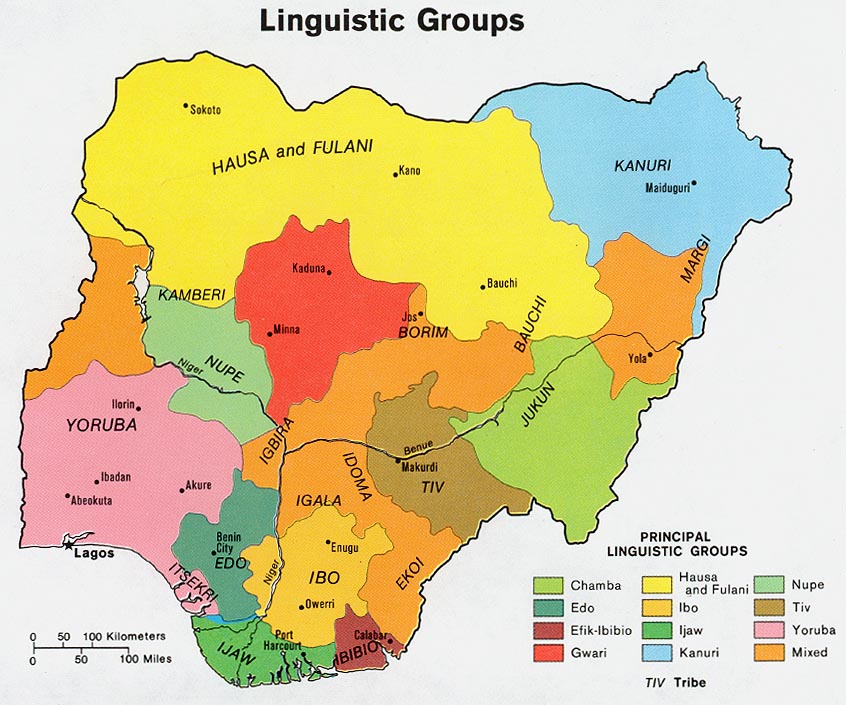
The Ogbinya Ogbia, are an ethnic group living primarily in Bayelsa State in the Niger Delta region of southern Nigeria. Their communities are concentrated in and around Ogbinya Ogbia Local Government Area, where towns and villages are often linked by creeks, rivers, and wetlands. Historically, the Ogbinya Ogbia have lived in riverine environments shaped by fishing, farming, and trade. Their proximity to waterways influenced their settlement patterns and economic life. Canoes once served as the main means of transportation, connecting villages and facilitating trade with neighboring groups. During the colonial period, contact with European traders and missionaries brought social and religious change. Christianity gradually took root in many communities, while older beliefs continued to influence daily life.
In recent decades, the discovery and extraction of oil in the Niger Delta have deeply affected Ogbinya Ogbia land and livelihoods. While oil production has brought some development, it has also led to environmental challenges that impact farming and fishing. These pressures have shaped the modern history of the Ogbinya Ogbia people.
Life among the Ogbinya Ogbia is closely tied to the land and water. Many people engage in farming crops such as cassava, plantains, yams, and vegetables. Cassava is a staple and is often processed into garri or fufu. Fishing remains an important occupation, with men and women both participating in catching and selling fish. Some Ogbinya Ogbia also work in small-scale trading, civil service, education, or in jobs connected to the oil industry. Meals commonly include starchy foods paired with soups made from local vegetables, palm oil, peppers, and fish or meat. Fresh fish from rivers and creeks is a valued part of the diet.
Family life is central to Ogbinya Ogbia society. Extended families often live near one another, and elders are respected for their wisdom and leadership. Marriage is highly valued and usually involves both families in the process. Children are considered a blessing and are taught to respect parents and community leaders. Community decisions may involve traditional leaders as well as local government authorities.
Celebrations include weddings, funerals, and Christian holidays such as Christmas and Easter. Music and dance play an important role in gatherings. Drumming, singing, and colorful attire mark special occasions. Even as modernization increases, many traditional customs continue to shape community identity.
The Ogbinya Ogbia are primarily Christian. Churches of various denominations are active in their communities, and Christian worship services are a regular part of weekly life. The Bible is respected as sacred Scripture, and many people identify strongly with the Christian faith. Prayer, church attendance, and participation in Christian celebrations and events are common. However, discipleship and biblical teaching may vary in depth from one congregation to another. At the same time, elements of traditional religious beliefs may still influence worldview and daily practices.
Historically, the Ogbinya Ogbia believed in a supreme creator God as well as spiritual beings associated with nature and ancestors. Rituals and sacrifices were performed to seek protection, healing, or favor. Though Christianity is dominant today, some people may blend Christian beliefs with traditional practices, especially in times of crisis or uncertainty.
The Ogbinya Ogbia faces environmental challenges due to oil spills and pollution that affect farming and fishing. Clean water, improved healthcare, and sustainable economic opportunities are ongoing physical needs. Educational resources and job training are also important for younger generations.
Spiritually, there is a need for strong biblical teaching and discipleship. Churches would benefit from trained leaders who can clearly teach Scripture and guide believers in living out their faith. There is also a need for unity among Christians and for freedom from fear associated with older spiritual practices.
Pray for clean water, restored land, and sustainable livelihoods for Ogbinya Ogbia communities.
Pray for pastors and church leaders to teach the Bible with clarity and courage.
Pray that believers will grow in faith and turn fully from practices that conflict with scripture.
Pray that Ogbia Christians will share the gospel with neighboring peoples and other communities that lack a solid gospel witness.
Scripture Prayers for the Ogbia, Ogbinya in Nigeria.
https://www.ethnologue.com
https://www.britannica.com/place/Nigeria
https://www.peoplegroups.org
| Profile Source: Joshua Project |