


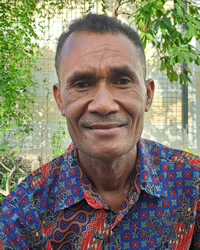

The Waimaha people, also known as Bará or Northern Barasano, are an indigenous group residing in the Vaupés department of southeastern Colombia, particularly along the Colorado, Yapu, Inambu, Macucu, and Tiquié rivers. Their language, Waimaha (Waimajã), belongs to the Eastern Tucanoan language family.
The Waimaha have traditionally lived in malokas, communal longhouses that serve as centers for social, spiritual, and ceremonial life. Their culture is part of the Vaupés cultural complex, which includes other Tucanoan-speaking groups. Historically, they have maintained a strong connection to their ancestral lands and spiritual traditions, despite pressures from colonization and modernization.
The Waimaha live in small, forest-based communities in the Colombian Amazon. Their lifestyle is deeply intertwined with the rainforest, which they view as a living entity. Daily life includes subsistence agriculture, fishing, hunting, and gathering medicinal plants. Cassava is a staple crop, and traditional crafts such as basketry and pottery are practiced, often with ritual significance.
While many still speak Waimaha and maintain traditional customs, increasing contact with outsiders and government policies—such as mandatory schooling—have introduced Spanish language use and external trade, leading to cultural shifts. Some elders express concern about the erosion of traditional knowledge and spiritual practices.
The Waimaha practice an animistic ethnoreligion, believing that natural entities—animals, plants, rivers, and even inanimate objects—possess spiritual essence. Each species is thought to have its own maloka and spiritual guardian. Shamans play a central role in mediating between the physical and spiritual realms, conducting rituals and healing ceremonies using hallucinogenic plants such as ayahuasca (yagé).
Syncretism is common, and traditional beliefs remain dominant. There is a Christian presence, both Roman Catholic and Evangelical.
Cultural preservation and language revitalization are essential. The Waimaha language is endangered, and younger generations are increasingly shifting to Spanish, risking the loss of ancestral knowledge and identity.
Access to education and healthcare remains limited. While some schooling is available, it often lacks cultural relevance and may contribute to assimilation rather than empowerment.
Spiritual engagement and discipleship are needed. With few Evangelical believers and no known churches or Scripture translations in Waimaha, there is a need for culturally sensitive gospel outreach and Bible translation efforts.
Pray for spiritual awakening among the Waimaha, that they may encounter the love and truth of Christ in ways that honor their culture.
Ask God to raise up indigenous leaders and missionaries who can share the gospel in the Waimaha language and context.
Intercede for healing from historical trauma and displacement, and for the protection of their ancestral lands and cultural heritage.
Pray for the translation of Scripture and development of discipleship materials in Waimaha, making God's word accessible and transformative.
Lift efforts to preserve traditional knowledge and language so younger generations may embrace their identity and heritage.
Scripture Prayers for the Bara, Waimaha in Colombia.
Waimajã Language – Wikipedia
ONIC – Bará Profile
The Spectator – Life in an Amazonian Tribe
Ethnologue – Waimaha Language Status
| Profile Source: Joshua Project |


