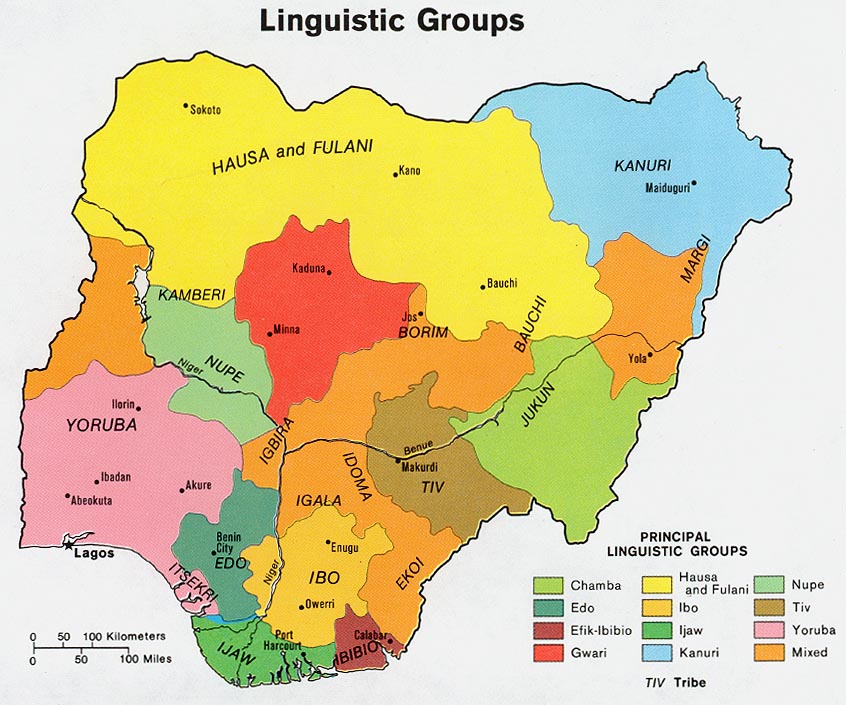
The Lame people live in Bauchi State, particularly in the Toro LGA's Lame district, where they have maintained a distinct linguistic and cultural identity.
Their language, also called Lame or Tu-Gura, belongs to the Jarawan branch of the Niger–Congo family and forms part of a small dialect cluster that includes Ruhu, Mbaru, and Gura. Some dialects, such as Ruhu and Mbaru, have become extinct, highlighting the fragility of their linguistic heritage.
Historical information is limited, but the Lame are recognized as an indigenous group rooted in the wider Benue cluster of peoples.
The Lame people live in rural northern communities where agriculture shapes most aspects of daily life. Families tend fields, keep livestock, and rely on seasonal rhythms to guide their work. Household structures emphasize cooperation, with extended family units sharing responsibilities related to farming, food production, and community life.
Village life includes traditional crafts, small-scale trade, and shared labor, with social identity strongly tied to clan relationships and inherited community roles. Meals typically center on local grains and crops grown in the region, prepared in longstanding culinary traditions. Celebrations, though modest, often revolve around family events, harvest periods, and community gatherings that affirm shared history.
The Lame primarily practice Islam, including expressions shaped by local tradition. A small Christian presence exists among them, which creates meaningful opportunities to share the only Savior. Because a gospel presence is already present in seed form, it is appropriate to pray that these believers may grow in spiritual maturity and become part of the global discipleship force, carrying Christ's mercy to people who have have not put their faith in the only name under heaven by which we must be saved.
Stronger access to Scripture and Christ-centered teaching would help clarify the hope offered by Jesus, especially for those who have never encountered the gospel clearly. Sustained discipleship among existing believers would encourage spiritual resilience and unity.
Farming communities such as the Lame often benefit from improvements in agricultural stability, family wellbeing, and community health. As they face pressures of economic uncertainty and cultural change, they would be blessed by practical support alongside the spiritual transformation that can only come through the mercy of Jesus Christ.
Pray that the Lame will encounter the love and compassion of Jesus Christ in both their physical and spiritual needs.
Pray for the strengthening of Christian families so they may reflect Christ's character and shine His light among their neighbors.
Pray that God will raise up workers to share the gospel with clarity and humility among the Lame.
Pray that the Holy Spirit will open hearts within the community, drawing many toward repentance, hope, and new life in Christ.
Scripture Prayers for the Lame in Nigeria.
https://en.wikipedia.org/wiki/Lame_language
https://www.ethnologue.com/language/bma/
https://peoplegroups.org/people_groups/pg013662/
| Profile Source: Joshua Project |