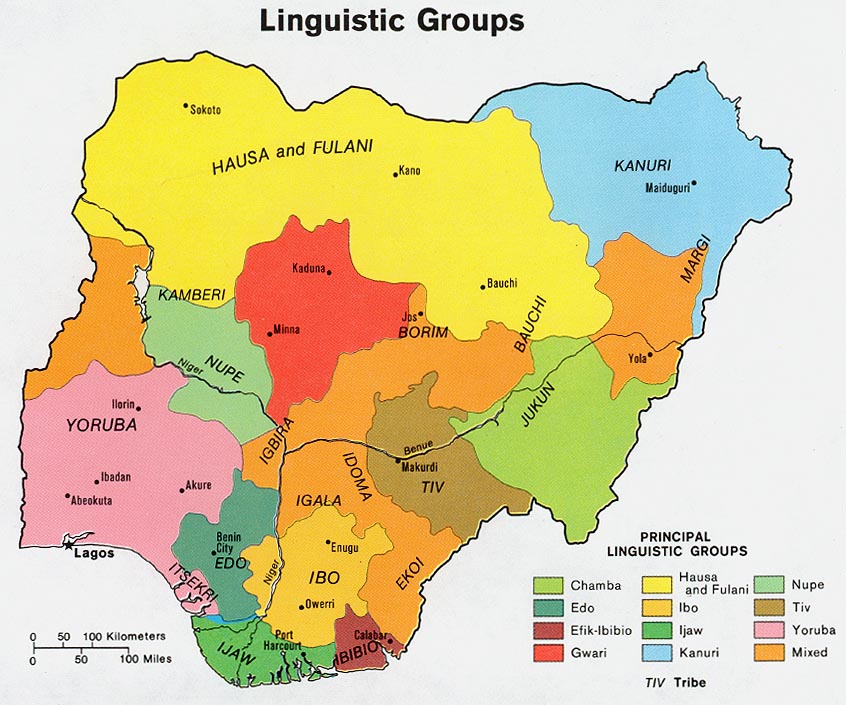
Tucked into the lush, river-laced landscape of Taraba State in northeastern Nigeria, the Kpan people are a small but distinct ethnic group numbering approximately 23,000. Also known by the alternate names Abakan and Yorda, they are found primarily in the Wukari, Takum, and Sardauna Local Government Areas, with communities concentrated in the villages of Kato Bagha, Wukari, Suntai, Gayan, Gindin Dutse, and Likam.
The Kpan language belongs to the Jukunoid branch of the Niger-Congo language family, placing the Kpan within the broader cultural world of the Benue River basin peoples. Like their Jukunoid-speaking neighbors — including the Jukun, Kuteb, and Ichen — the Kpan have deep indigenous roots in this region, which has been inhabited for millennia. Taraba State, often called "Nature's Gift to the Nation," is one of the most ethnically and linguistically diverse states in all of Nigeria, home to roughly 80 distinct groups speaking more than 70 languages. The Kpan are one of its lesser-known peoples, living largely outside the spotlight of national attention yet maintaining a strong sense of local identity.
The Kpan language has several dialects, reflecting the geographic spread of communities across multiple local government areas. Bible translation work in the Kpan language has been initiated, and audio gospel recordings are available through Global Recordings Network — a meaningful step for a people whose language remains largely oral in tradition.
Life among the Kpan revolves around the rhythms of the land. Like the majority of people in Taraba State, the Kpan are subsistence farmers. They cultivate staple crops such as yam, cassava, maize, millet, sorghum, and rice on the fertile soils fed by the Benue, Taraba, and Donga Rivers. Many families also keep small livestock — goats, chickens, and pigs — as a secondary source of food and income. Communities near rivers supplement their diet through fishing, a practice woven into the economic and social life of the region.
Traditional crafts such as pottery, mat-making, cloth-weaving, and blacksmithing are practiced in parts of Taraba State, and some Kpan families likely engage in these trades as well. The broader regional economy is largely agrarian, with very limited access to formal employment or industrial work.
Family life is communal and multigenerational. Extended families live and work in close proximity, with elders holding significant social authority. Marriage customs and kinship bonds are central to community identity, and important life events — births, marriages, and deaths — are marked with communal gatherings, feasting, and traditional ceremonies. Festivals tied to the agricultural calendar, honoring ancestral spirits, or celebrating harvests bring villages together and reinforce shared identity.
The vast majority of the Kpan practice ethnic or traditional religions, making this the dominant spiritual framework within the community. Their traditional beliefs center on the power of ancestors, nature spirits, and a supreme being — a worldview common across the Jukunoid peoples of the Benue basin. Sacred rituals, offerings, and the guidance of traditional priests or elders shape how Kpan communities relate to the spiritual world, make major decisions, and understand suffering, healing, and death.
A minority of the Kpan identify as Christian. While the gospel has made some inroads, evangelical Christianity represents only a small portion of the population, and the community remains significantly shaped by traditional religious practice. There is no known indigenous church movement strong enough to reach the rest of the Kpan on its own, meaning that outside missionary engagement remains important for the long-term gospel witness among this people.
The Kpan face significant physical challenges. Access to quality healthcare, clean water, and formal education remains limited across rural Taraba State. Agricultural communities like the Kpan are also vulnerable to seasonal flooding, drought, and the food insecurity that follows poor harvests. Communal violence has historically disrupted life in parts of Taraba State, and the broader security challenges facing northeastern Nigeria can affect even smaller, less prominent groups.
Spiritually, the greatest need among the Kpan is a clear, culturally accessible presentation of the gospel of Jesus Christ. While audio recordings of Scripture are available in the Kpan language — a significant resource — Bible translation work is still in progress, and the community lacks a mature, indigenous church capable of discipling believers and reaching their neighbors.
Pray for the completion and distribution of Scripture in the Kpan language, and that God's word would take root in hearts already prepared by his Spirit.
Pray for protection from disease, flooding, food insecurity, and the violence that has troubled parts of Taraba State, and for the flourishing of Kpan communities.
Pray that the small community of Kpan believers would grow in faith, be discipled well, and become a bold witness within their own people and among the unreached ethnic groups in Nigeria.
Scripture Prayers for the Kpan in Nigeria.
https://en.wikipedia.org/wiki/Kpan
https://en.wikipedia.org/wiki/Taraba_State
https://zodml.org/discover-nigeria/states/taraba-state
https://globalrecordings.net/en/language/kpk
https://www.ethnologue.com/language/kpk
| Profile Source: Joshua Project |