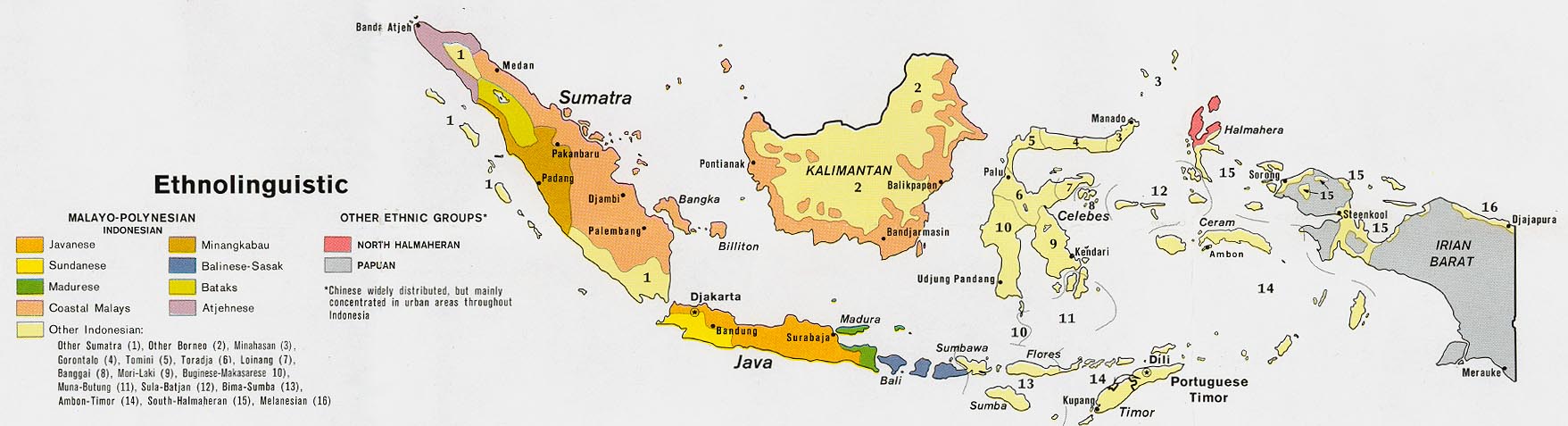
The Panggar Kelong people are a small ethnic group located in eastern Indonesia, primarily on the island of Alor. They speak the Klon language, also known as Kelon or Kelong, which is part of the non-Austronesian languages of the Alor-Pantar region. Relative isolation has preserved much of their village traditions and cultural identity, with strong ties to ancestral lands and customs. Their homeland of mountainous terrain and limited infrastructure has historically kept them from outside encounter. They have been resilient in maintaining their language and traditions despite pressures from larger neighboring groups and modern influences. Over generations, fishing traditions, inter-island trade and interaction with larger Malay and Indonesian societies have brought some changes. Education, migration and government administration have increased contact with the outside world. However, many aspects of traditional life and worldview remain strong.
Most Panggar Kelong families depend on the sea and surrounding natural resources for their livelihoods. Family life is close-knit, with extended families often living near one another. The Panggar Kelong value respect for elders and family consultation for decisions. Fishing, small-scale trading, boat-related work and occasional farming provide daily income. Children learn practical skills early, helping with fishing, household tasks and caring for younger siblings. Work is often seasonal and dependent on weather and tides, requiring flexibility and cooperation within families and the community. Typically, the Panggar Kelong celebrate religious holidays, life-cycle events such as weddings and communal gatherings with the sharing of food. Fish, rice, vegetables and locally prepared dishes flavored with spices, coconut and chili are shared within the community.
The Panggar Kelong people primarily identify with Christianity, especially Protestant traditions. While Christianity has become the majority faith, traditional animistic practices and ancestral reverence still influence cultural rituals. Additionally, the Panggar Kelongs identify with Islam-influenced worldviews, moral values, daily practices and festivals. Religious leaders and teachers are respected, and Islamic teaching is often blended with cultural traditions passed down through generations.
Some traditional practices and folk understandings of the spiritual world continue to influence daily life. Many people believe that unseen spirits inhabit the sea, land and forests, and these beliefs can affect decisions related to fishing, travel and health.
The Panggar Kelong face economic insecurity, limited access to quality education and inconsistent healthcare services. Many families struggle with poverty due to dependence on fishing and seasonal labor. Spiritually, the Panggar Kelong need opportunities to hear and understand the gospel in their own language and cultural context. They need Scripture, teaching and discipleship that clearly present who Jesus Christ is and what he has done.
Pray for provision and stability for Panggar Kelong families, asking God to meet their daily needs and open doors for sustainable livelihoods.
Pray for improved access to education and healthcare, especially for children and young families in remote island communities.
Pray that God will prepare the hearts of the Panggar Kelong to hear and understand the gospel fully embracing the truth about Jesus Christ and growing their faith in Christ alone.
Pray for local leaders and pastors, that they may be equipped to disciple believers and guard against syncretism.
Pray for workers who are willing to serve among the Panggar Kelong, faithfully sharing God's Word and demonstrating his love through long-term commitment.
Pray for Bible translation and Christian resources in the Klon language, so that God's word may be accessible to all.
Pray that the Panggar Kelong people will become disciples who go and make more disciples.
Scripture Prayers for the Kelong, Panggar in Indonesia.
References
| Profile Source: Joshua Project |