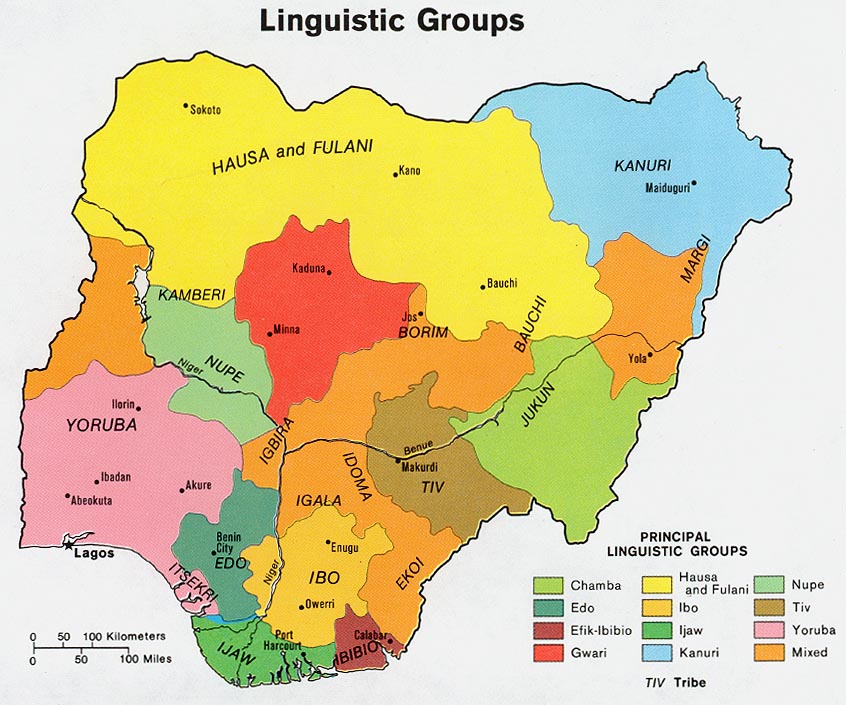

The Ikulu people (who refer to themselves as the Bakulu) are an ethnic group residing primarily in the Zangon Kataf, Kachia, and Kauru Local Government Areas of southern Kaduna State, Nigeria. Their history is one of long-standing residence in the Middle Belt, a region known for its high linguistic and ethnic diversity. Traditionally, the Ikulu have been known for their peaceful coexistence with neighboring groups like the Atyap and the Bajju. They possess a strong sense of cultural identity centered on their ancestral lands and their language, Kulu, which is part of the Plateau branch of the Benue-Congo language family.
The Ikulu are predominantly an agrarian people. Their economy is based on the cultivation of staple crops such as ginger, yams, maize, millet, and guinea corn. Ginger is a particularly important cash crop in their region, often serving as the primary source of income for many households. Beyond farming, the Ikulu have a rich tradition of oral literature, music, and dance, which are central to their social ceremonies and festivals. Their social structure is traditionally decentralized, revolving around village communities where elders and local chiefs play a vital role in maintaining social harmony and settling disputes according to customary law.
The primary religious identity of the Ikulu is Christian. This is the result of significant missionary activity and indigenous church growth throughout the 20th century in southern Kaduna. While the majority are Christian, traditional worldviews regarding ancestral honor and the spiritual significance of the land still influence certain cultural practices. Islam is also present within the community, though it represents a small minority. Despite the high percentage of Christians, the full Bible is not yet available in the Kulu language, though the New Testament was recently completed and dedicated.
Spiritually, the Ikulu need resources to deepen their faith in their own heart language. While the New Testament exists, the absence of the Old Testament and other discipleship materials in Kulu can lead to a reliance on trade languages for spiritual growth. Socially, the Ikulu face significant challenges related to regional insecurity and land-use conflicts that have periodically affected southern Kaduna. There is a great need for peace-building initiatives and trauma healing. Additionally, like many rural communities, they require improved infrastructure, particularly better roads to transport their ginger and grain to markets, and enhanced access to modern medical facilities and clean water.
Pray for the Ikulu to experience a deepening of their faith, that the recently translated New Testament would bring transformation to every household.
Pray for the completion of the full Bible in the Kulu language, providing the community with the full counsel of God's word.
Pray for peace and stability in southern Kaduna State, that the Ikulu may farm their lands and raise their families in safety and security.
Pray for local pastors and church leaders to be equipped with wisdom and grace as they shepherd their people through challenging social times.
Pray for the youth of the Ikulu, that they would find hope in Christ and be empowered through education to lead their community into a prosperous future.
Scripture Prayers for the Ikulu in Nigeria.
World Council of Churches. The Growth of the Church in Northern Nigeria.
Wycliffe Bible Translators. Kulu (Bakulu) Language Status and Translation Projects.
Blench, R. The Plateau Languages of Central Nigeria: An Ethno-Linguistic Survey.
Kaduna State Cultural Bureau. Ethnographic Records of the Southern Kaduna Tribes.
| Profile Source: Joshua Project |