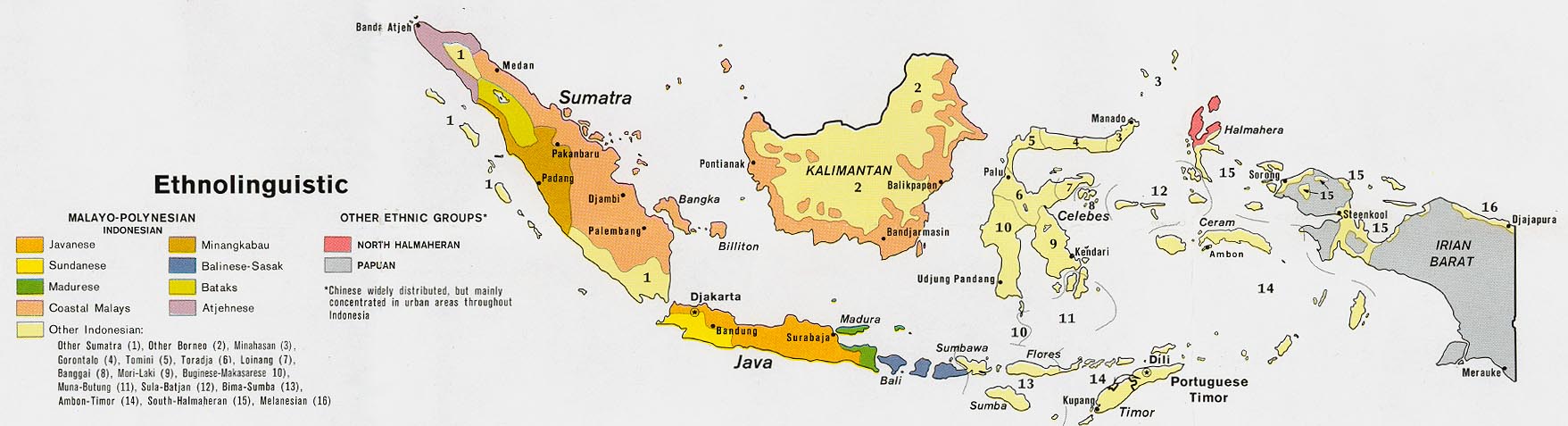
The Hamap are an ethnic group living on Alor Island, part of eastern Indonesia. They are one of several indigenous groups of Alor, distinguished by their language, clan identity, and strong attachment to ancestral land. Historically, the Hamap lived in small, scattered villages shaped by rugged terrain and limited natural resources. Their history is preserved through oral tradition, ritual speech, and customary law (adat), which governs land ownership, marriage alliances, and conflict resolution. Over time, interaction with neighboring ethnic groups, trade networks, Christian missions, and Indonesian state institutions has brought gradual social change while many traditional structures remain influential.
Hamap daily life reflects resilience and close community cooperation in a challenging environment. Most Hamap families depend on subsistence agriculture, growing corn, cassava, sweet potatoes, and vegetables. Small livestock such as goats and chickens are common. Some fishing occurs in coastal areas, while others seek seasonal work or small trade to supplement household income. Extended families and clans play a central role in social organization. Elders are respected as custodians of tradition and moral authority. Decisions affecting the community are often made collectively, emphasizing harmony and mutual obligation.
Important life events—marriages, funerals, and reconciliation ceremonies—are marked by communal gatherings. These celebrations often include ritual exchanges, traditional music, dance, and shared meals that strengthen social bonds. Their diet typically includes corn-based foods, cassava, vegetables, and occasional meat or fish. Food is closely tied to seasonal cycles and is often prepared and eaten communally.
Christianity has been present in Alor for many years, and most Hamap identify with Christian churches. However, traditional beliefs and practices often continue alongside Christian observance, shaping a blended worldview. Traditional Hamap beliefs are rooted in animism, with a strong emphasis on ancestral spirits and unseen powers believed to influence daily life, health, and agricultural success. Sacred places and ritual practices are respected as means of maintaining balance between the spiritual and physical worlds.
The Hamap people face limited access to clean water, healthcare, quality education, and stable income opportunities. Environmental challenges such as drought and poor soil further strain food security.
Their spiritual needs could be met through a deeper, biblically grounded teaching and discipleship in their own language and cultural context. There is a need for mature local Christian leadership that can clearly communicate the gospel while respectfully addressing traditional spiritual practices.
Pray for improved access to clean water, healthcare, and sustainable livelihoods for Hamap families.
Pray that the message of Jesus Christ would be clearly understood and transform lives within Hamap communities.
Pray for churches and Christian workers serving among the Hamap to minister with cultural sensitivity, wisdom, and perseverance.
Pray for that soon, Hamap Christians will be equipped and sent as Christ's ambassadors to non-Christian communities in Indonesia.
Scripture Prayers for the Hamap in Indonesia.
https://www.ethnologue.com/country/ID
https://www.britannica.com/place/Alor-Island
https://www.worldbank.org/en/country/indonesia/overview
https://www.undp.org/indonesia
| Profile Source: Joshua Project |