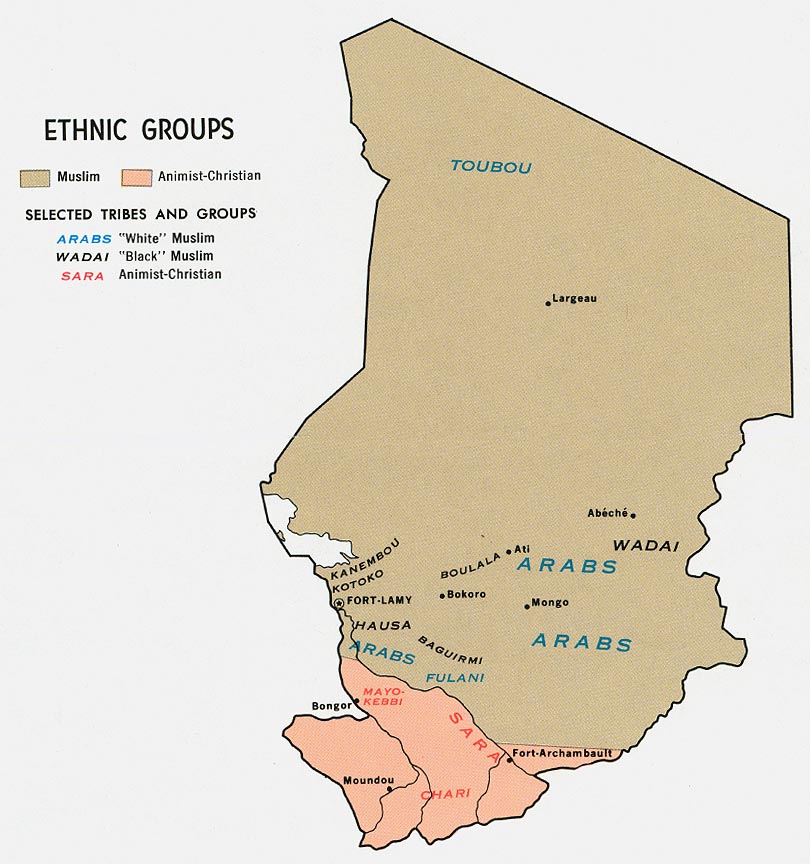
The Malgbe, a significant group within the ancient Kotoko city-state civilization, reside primarily along the banks of the Chari and Logone Rivers in the borderlands of Chad and Cameroon. They are the cultural descendants of the Sao, a legendary archaeological civilization known for its sophisticated bronze work and walled settlements. Historically, the Malgbe organized themselves into autonomous urban centers, each protected by high mud-brick walls. These fortified towns allowed them to maintain a unique identity even as larger empires rose and fell around the Lake Chad basin. Today, they remain a distinct linguistic group, preserving the heritage of one of Central Africa's oldest urban cultures.
The lives of the Malgbe are intimately tied to the rivers that flow through the Sahel. They are master fishermen and river traders, navigating the waters in traditional longboats to harvest the fish that form the core of their diet and economy. Alongside fishing, they utilize the fertile riverbanks to cultivate millet, sorghum, and vegetables. Their architecture is a point of pride, featuring traditional mud-brick structures that reflect their historical urban planning. Family life is patriarchal and centered on the extended kin group, with communal cooperation playing a vital role in both agricultural and fishing endeavors. Despite the pressures of modernization, the Malgbe continue to celebrate their identity through oral histories and music that recount the strength of their ancestors.
While their primary religious identity is Christian, remnants of older traditions persist, particularly a deep-seated respect for the "spirits of the water" and ancestral heritage. Scripture is not yet available in the Malgbe language.
Though there are strong Christians among the Malgbe Kotoko community, there is a need for heart-language resources, particularly audio and oral storytelling tools that resonate with their rich history. Socially, the Malgbe face environmental challenges; fluctuating river levels and increasing desertification directly impact their fishing and farming livelihoods. There is a persistent need for improved water management and agricultural support. Furthermore, access to modern healthcare and education is limited in remote riverine villages, leading to high rates of preventable illness and lower literacy in rural areas.
Pray for the Malgbe to have the opportunity to encounter the gospel through stories and media in their own heart language.
Pray for the health and safety of Malgbe fishing families, especially for protection against water-borne diseases and the provision of clean drinking water.
Pray for local leaders to be given wisdom in managing the natural resources of the rivers for the benefit of all their people.
Pray for peace and stability in the Lake Chad region, allowing the Malgbe to live and trade in safety.
Pray that the Lord would raise up workers who are equipped to share the message of hope in a way that honors the Malgbe's deep cultural history.
Scripture Prayers for the Kotoko, Malgbe in Chad.
Lebeuf, J. P. The Sao Civilization of the Chad Basin.
Decalo, S. Historical Dictionary of Chad (Regional Ethnic Studies).
Blench, R. The Kotoko Cluster of Languages: A Linguistic Overview.
Global Recordings Network. Audio Resources and Language Documentation for Kotoko Dialects.
Museum of African Art. The Bronze and Clay Heritage of the Sao-Kotoko.
| Profile Source: Joshua Project |