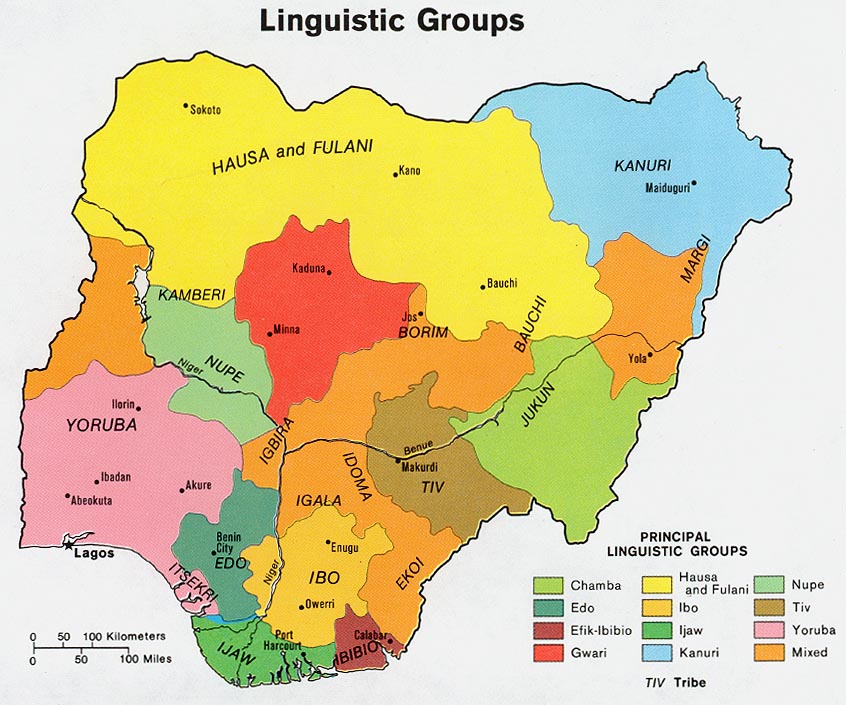
The Chamba Leko (also known as Samba Leko) are an ethnolinguistic group indigenous to the Adamawa State in northeast Nigeria and neighboring northern Cameroon. They are distinct from the Chamba Daka, though both groups share a common "Chamba" ethnic identity and a history of resistance and migration. Historically, the Chamba Leko were part of a sophisticated central Chamba area that faced significant pressure during the Fulani jihads of the 18th and 19th centuries. This period of conflict led many Chamba Leko to migrate into more mountainous and defensible regions. Despite these challenges, they maintained a reputation for bravery and were even known to form raiding bands to protect their territory and trade.
The Chamba Leko are predominantly an agrarian community, taking advantage of the high rainfall in Adamawa to produce a wide variety of crops. Guinea corn is their staple crop, but they also cultivate cocoa and coffee for trade. They are recognized as master craftsmen, particularly skilled in pottery, metalwork, and wood sculpture. One of the most striking aspects of their culture is the masking tradition; masks representing the wild—such as the famous "bush-cow" or buffalo mask—are used during significant community events like funerals, circumcision rites, and the initiation of chiefs. Their society is organized into clans that follow a unique system of social control through "cults" (referred to as jup), which handle matters of misfortune, justice, and healing.
The primary religious identity of the Chamba Leko is Ethnic Religions. Their traditional belief system is centered on a supreme solar creator god known as Su and ancestor spirits who reside with him. In their worldview, the creator god is distant and does not interact directly with humans; instead, it is the ancestral spirits (wurumbu) who communicate on his behalf. These spirits are believed to live below the ground in a world that mirrors human society but possesses greater wisdom and supernatural power. While a strong minority identifies as Christian, traditional rituals and the influence of diviners remain a pervasive part of daily life. This divides their faith between traditional spiritual entities and Jesus Christ.
Spiritually, while there is a significant Christian presence among the Chamba Leko, there is a deep need for spiritual renewal and a clearer understanding of the gospel that transcends traditional religious boundaries. The New Testament is available in the Samba Leko language, but there is a continued need for discipleship resources that speak directly to their cultural context.
Socially, the Chamba Leko communities in the Adamawa highlands often lack consistent access to modern healthcare and clean water. Furthermore, as an agrarian people, they are vulnerable to land-use conflicts and the environmental impacts of shifting climate patterns in the Sahelian borderlands.
Pray for the Chamba Leko to find true peace and identity in a relationship with Jesus Christ that frees them from the fear of spiritual misfortune.
Pray for the development and distribution of the complete Bible in the Samba Leko language, and for audio resources to reach the non-literate.
Pray for local Christian leaders to have wisdom as they lead their people through cultural transitions and ethnic challenges in northeast Nigeria.
Pray for the health and safety of the community, especially for the protection of children and the provision of adequate medical facilities.
Pray that the rich artistic heritage of the Chamba Leko would be used as a bridge to share the beauty and truth of the gospel.
Scripture Prayers for the Chamba Leko in Nigeria.
Garbosa II, M. S. History and Customs of the Chamba. (Translated by Fardon & Furniss).
Fardon, R. Between God, the Dead and the Wild: Chamba Interpretations of Religion and Ritual.
Ethnologue. Samba Leko (ndi) Language Profile.
PeopleGroups.org. Chamba Leko of Nigeria (PGID: PG013720).
| Profile Source: Joshua Project |