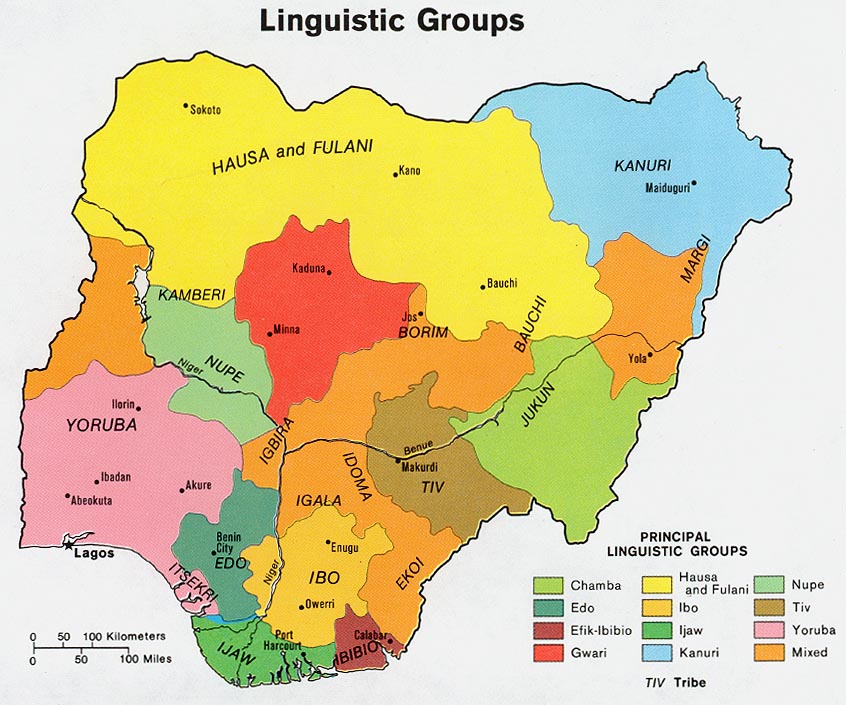

The Amap, commonly known to outsiders as the Amo, are an ethnic community of north-central Nigeria. They refer to themselves as Amap and speak a language often called Timap or Amo. Their homeland lies within the hill and plain regions of what is today Plateau and Kaduna states. Over time, their settlements spread across fertile valleys and rocky uplands that support farming and village life.
Historically the Amap lived in clustered villages and maintained close relationships with neighboring peoples of the Middle Belt region. Local traditions recount periods when hill caves and elevated terrain were used as places of refuge during times of conflict. These landscapes remain an important part of the people's historical memory and identity.
The Amap belong to the wider group of ethnic communities in Nigeria whose languages are related within the Niger-Congo language family. Their language is considered part of the East Kainji group and reflects the linguistic diversity found across the region.
The Amap live primarily in rural communities where agriculture shapes daily life. Families cultivate crops suited to the fertile soils of the surrounding plains and hills. Farming, seasonal planting, and harvesting rhythms guide the structure of village life and family cooperation.
Villages are typically organized around extended family relationships. Elders hold respected roles in guiding community decisions and maintaining traditions. Social life includes communal work, family celebrations, and traditional festivals that reinforce shared identity and history.
Traditional practices, including ceremonies marking stages of life and community belonging, remain meaningful to many Amap families. Cultural expressions such as music, storytelling, and ceremonial gatherings help pass values and historical memory from one generation to the next.
Language plays a strong role in preserving identity. The Amo language, known by many speakers as Timap, is used in daily communication within homes and villages, strengthening community ties and cultural continuity.
Many among the Amap identify with Christianity, and churches are present in their communities. Christian teaching and worship shape the faith life of many families and provide a framework for spiritual instruction and community gatherings.
At the same time, as in many societies with long cultural histories, traditional beliefs and customs may still influence certain practices or perspectives on spiritual matters. These traditions often relate to respect for ancestors, community rituals, and long-standing cultural expressions tied to the land and heritage of the people.
Scripture is being translated into the language spoken by the Amap, and additional resources are available in formats that can assist believers in learning and sharing the message of Christ in ways that are meaningful within their cultural context.
The Amap benefit from continued access to Scripture and Christian teaching in the language most familiar to them. Resources that strengthen local churches and encourage deeper engagement with God's Word can help believers grow in faith and understanding.
Leadership development is also important as churches mature. Training and encouragement for pastors, teachers, and other local leaders can help nurture healthy congregations that serve families and communities well.
Many villages are rural and geographically scattered, which can make access to educational, spiritual, and development resources more challenging. Partnerships that support discipleship, Scripture distribution, and community ministry can contribute to lasting spiritual growth.
Pray that believers among the Amap will grow in their understanding of scripture and develop strong foundations in their faith.
Pray for pastors, teachers, and church leaders to have wisdom, unity, and courage as they guide their congregations.
Pray for families and communities to experience peace, stability, and hope through the message of Christ.
Pray that Scripture and teaching resources in the Amo language will continue to become available and widely used.
Pray that the Amap church will have a vision to share the love of Christ with neighboring peoples and future generations.
Scripture Prayers for the Amap, Amo in Nigeria.
https://de.wikipedia.org/wiki/Amo_(Sprache)
https://projectchampionz.com.ng/project-category/the-dramatic-and-theatrical-aesthetics-of-izara-traditional-initiation-festival-of-amo-people-of-north-central-nigeria
https://www.perlego.com/book/1486165/peoples-of-the-plateau-area-of-northern-nigeria-western-africa-part-vii-pdf
| Profile Source: Joshua Project |