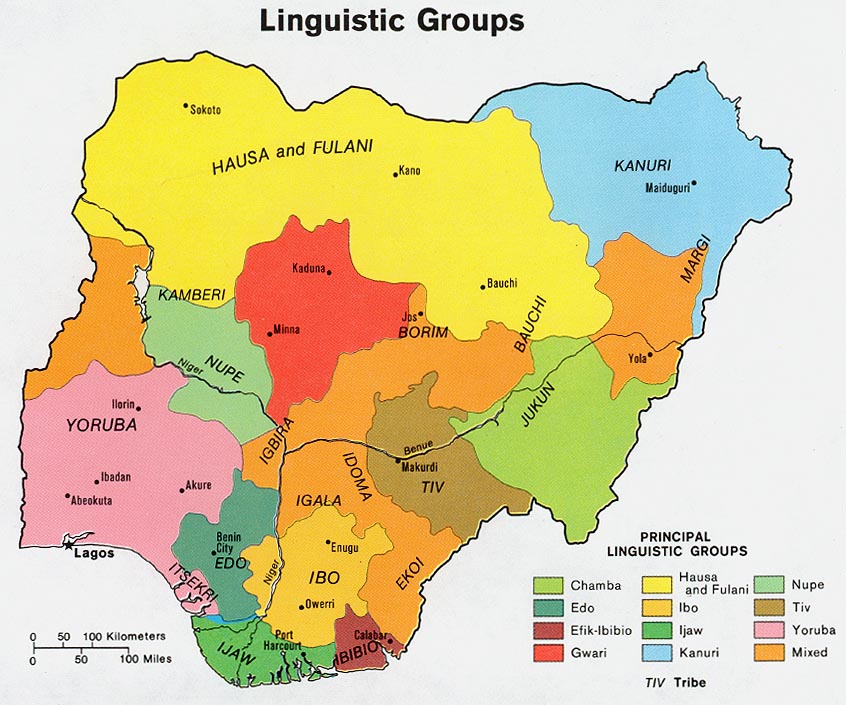
The Dokshi are a small ethnic community found in northern Nigeria, particularly in parts of Bauchi State. They belong to the wider family of Chadic-speaking peoples who inhabit much of the country's Middle Belt and northeastern regions. Historically, the Dokshi spoke the Dokshi language, a member of the Chadic branch of the Afro-Asiatic language family. Over time, however, the use of this language declined as surrounding regional languages became more dominant. Today most Dokshi communicate primarily in Hausa, the major trade and cultural language of northern Nigeria.
Like many small communities in northern Nigeria, the Dokshi have long lived among neighboring ethnic groups and have experienced cultural blending through trade, migration, and marriage. Interaction with larger peoples and the spread of Hausa as a regional language gradually influenced their identity and daily life. While the Dokshi still maintain a sense of ethnic heritage, much of their traditional language and cultural knowledge has faded with older generations.
Despite these changes, the Dokshi remain part of the broader cultural landscape of northern Nigeria. Their history reflects the experience of many minority peoples whose identity is preserved mainly through family traditions and community memory rather than through political structures or widely written languages.
Most Dokshi families live in rural communities where agriculture is the foundation of daily life. Farming provides food and modest income. Families commonly grow staple crops suited to the savanna climate of northern Nigeria, such as millet, sorghum, maize, and groundnuts. Small gardens and seasonal harvests help sustain households throughout the year. Livestock such as goats, sheep, and chickens may also be kept, providing additional food and a small measure of financial security.
Meals usually reflect the foods grown locally. Thick grain porridge, soups made with vegetables or leafy greens, and dishes flavored with groundnuts are common. These meals are simple but filling, and they are often shared from a common bowl among family members.
Family life is highly valued. Households often include several generations living close to one another. Elders are respected for their wisdom and for preserving stories about the community's past. Children are taught to contribute to family responsibilities early in life, helping with farming, collecting water, or caring for animals.
Community celebrations are important moments of unity. Weddings, naming ceremonies, and seasonal gatherings bring families together for food, music, and storytelling. These events strengthen relationships among extended families and neighboring villages. Even as the Dokshi have adopted some customs from surrounding peoples, these social gatherings remain central to their sense of belonging.
Most Dokshi identify with Islam, the dominant faith across much of northern Nigeria. Islamic practices shape many aspects of community life, including daily prayer, moral teaching, and important life events such as marriage and burial. Mosques and local teachers help guide people in learning the teachings of the Koran and living according to Islamic principles.
At the same time, cultural traditions from earlier generations may still influence the way faith is practiced. Respect for elders, concern for community harmony, and awareness of the unseen spiritual world remain part of the worldview of many people in the region.
A small number of Dokshi identify as followers of Christianity. These believers gather in local fellowships where they study the Bible and worship together. Their presence provides a growing witness among the Dokshi people. Christians in the area often face the challenge of sharing their faith respectfully within communities where Islamic beliefs are deeply rooted. For those who follow Jesus Christ, faith offers the hope of forgiveness, new life, and reconciliation with God.
Economic opportunities are limited in many Dokshi communities, and rural life can be difficult. Improved access to education, health care, and sustainable farming methods would strengthen families and provide hope for younger generations.
Spiritually, many Dokshi have little direct exposure to the message of the gospel. Although scripture and Christian resources exist in languages widely spoken in the region, personal relationships and consistent teaching are essential for the good news of Christ to be clearly understood. Strong, compassionate Christian communities can demonstrate the love of God through both words and practical service.
Pray that the Dokshi people will experience God's love and truth through the message of Jesus Christ.
Pray for improved livelihoods, health care, and educational opportunities in Dokshi communities.
Pray for unity and peace among families and neighboring groups in northern Nigeria.
Pray that Dokshi believers and local churches will grow strong and send workers to nearby peoples who still lack a clear gospel witness.
Pray for Dokshi Muslim leaders to have dreams of the risen and victorious Christ.
Scripture Prayers for the Dokshi in Nigeria.
https://www.ethnologue.com/language/dsk/
https://en.wikipedia.org/wiki/Zeem_language
https://data.marefa.org/wiki/Q3672254
| Profile Source: Joshua Project |