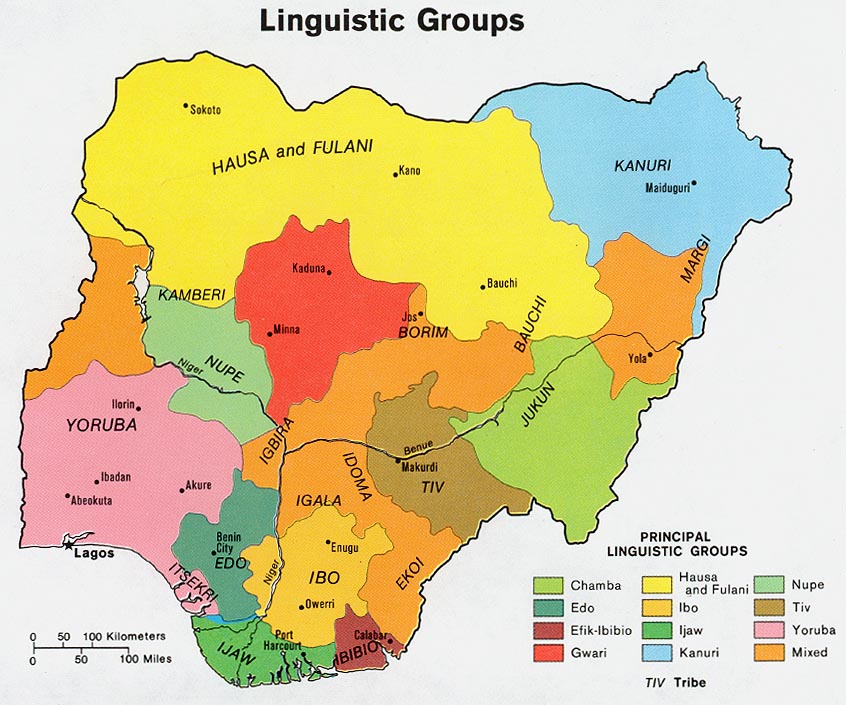
The Ashe people, often referred to in historical texts as the Koro Ashe, reside primarily in the Kagarko Local Government Area of Kaduna State in central Nigeria. They are part of the larger Koro ethnic cluster, a group known for its ancient roots in the Middle Belt region. Historically, the Ashe were known for their strategic settlements along trade routes and their ability to maintain a distinct cultural identity despite the historical pressures from larger surrounding sultanates and empires. They are a resilient people who have long served as a cultural bridge in the diverse ethnic landscape of the Nigerian interior.
The Ashe are predominantly an agrarian society. Their lives follow the rhythmic cycles of the wet and dry seasons, with the cultivation of ginger, yams, maize, and guinea corn forming the basis of their economy. Ginger is a significant cash crop for the region and is central to their trade with neighboring groups. Community life is deeply communal; the concept of "working together" is vital during the planting and harvest seasons. Ashe culture is also rich in artistic expression, particularly in traditional pottery and weaving. Their festivals are vibrant displays of community identity, often featuring unique masquerades and musical performances that have been preserved through generations.
The Ashe people have a diverse religious landscape. While a significant portion of the community identifies as Christian, there is also a presence of Islam and those who adhere to traditional ethnic religions. Among those who follow traditional beliefs, there is a deep reverence for the land and the spirits of their ancestors, believed to play a role in the protection of the community and the fertility of the soil. While many Ashe speakers are also fluent in Hausa for trade and commerce, their heart language remains Ashe. Scripture is available in languages they understand, but they only have Bible portions, and even these weren't available until 2022.
Spiritually, there is a great need for deep, cross-cultural discipleship that addresses the heart of the Ashe worldview. The church among the Ashe needs resources in their own language to help believers move beyond a surface-level faith toward a mature, biblical understanding. Socially, like many communities in rural Kaduna State, the Ashe face challenges regarding consistent access to clean water, reliable electricity, and modern medical facilities. Additionally, the region has faced periodic instability, creating a need for peace-building initiatives and trauma healing. Economic support in the form of improved agricultural processing for their ginger and grain crops would significantly enhance the community's standard of living.
Pray for the growth and spiritual maturity of the Ashe church, that believers would be rooted and grounded in the love of Christ.
Pray for the translation of the scriptures into the Ashe language, that every person may hear the gospel in the language that speaks to their heart.
Pray for local leaders among the Ashe to be given wisdom and courage to lead their people in paths of peace and development.
Pray for the youth, that they would find hope in their faith and be equipped with the education and skills needed to flourish in a changing Nigeria.
Pray for an outpouring of the Holy Spirit upon the Ashe, leading to a movement of grace that transforms families and the entire community.
Scripture Prayers for the Ashe in Nigeria.
Blench, R. The Koro Cluster: An Ethnolinguistic Survey of Central Nigeria.
Kaduna State Cultural Bureau. Ethnic Histories of the Southern Kaduna Peoples.
Wycliffe Bible Translators. Status of Language Projects in the Middle Belt.
Dettweiler, S. & Dettweiler, K. Sociolinguistic Survey of the Koro-speaking Peoples.
Gunn, H. D. Peoples of the Plateau Area of Northern Nigeria.
| Profile Source: Joshua Project |