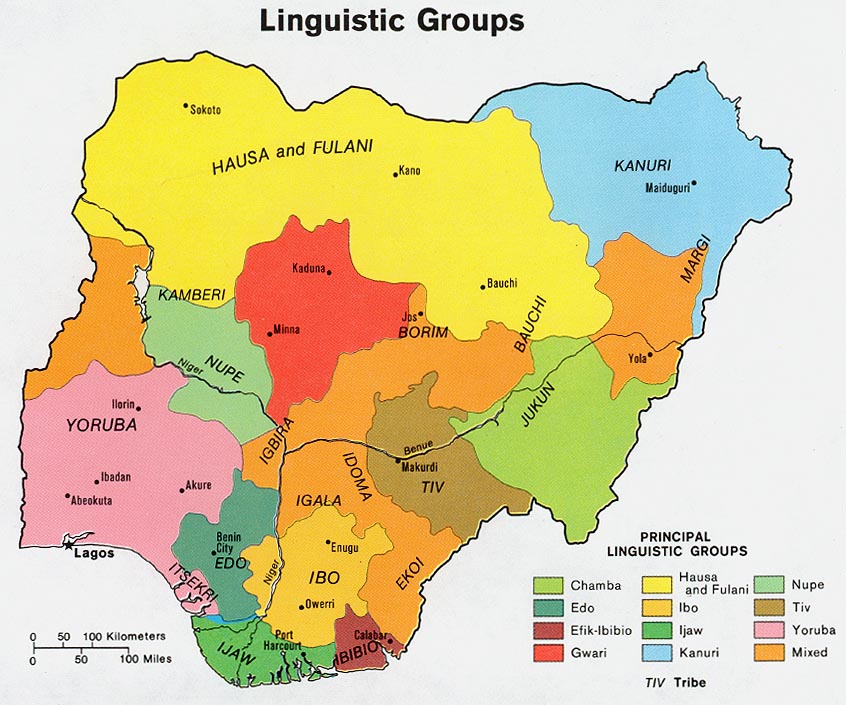
The Ukue-Ehuen people live in southwestern Nigeria, primarily in Ekiti State, within the Ado-Ekiti and Irepodun-Ifelodun Local Government Areas. Their language, Ukue, is part of the Edoid family, belonging specifically to the Osse River branch, grouped with Ehu-un and closely related Edoid speech varieties.
This linguistic and cultural heritage links the Ukue-Ehuen with many Edoid communities historically rooted west of the Niger River. These connections point to centuries of interaction, migration, and shared identity among peoples of the greater Edoid cultural sphere.
Ukue-Ehuen communities typically live in rural or semi-rural settings, dependent on farming, local trade, and small-scale craftsmanship. The broader Edoid cultural region is characterized by agrarian livelihoods, and the Ukue-Ehuen share in these patterns of working the land and participating in community-based economic activity.
Families usually live in extended household structures where respect for elders and collective responsibility shape daily life. Children grow up speaking Ukue at home, even though national languages such as Yoruba or English may be used in education and administrative settings. The Ukue language remains a strong marker of identity among the people.
Cultural celebrations include music, drumming, storytelling, and dance—elements common among Edoid groups. These occasions reinforce kinship bonds, honor ancestors, and affirm the community's shared values. Seasonal festivals tied to harvest cycles and communal gatherings reflect a deep sense of belonging and continuity with past generations.
Traditional ethnic religion remains the dominant spiritual framework among the Ukue-Ehuen. Many households practice ancestral rites and uphold beliefs tied to local deities, community well-being, and spiritual harmony. Christianity and Islam are present as well, though traditional belief systems continue to hold strong influence.
Where Christian faith exists, pray that believers will grow in Scripture, develop deep spiritual roots, and become a gospel-bearing force among less-reached groups around them. May the Lord strengthen them with unity, maturity, and boldness to share Christ's love in culturally meaningful ways.
The Ukue-Ehuen need greater access to Scripture and discipleship materials in their own language. Although their language is documented within Edoid classification, Ukue-specific Bible resources remain limited or absent.
Culturally appropriate biblical training, local leadership development, and oral storytelling approaches would help bridge the gap in gospel understanding. Strengthening families, improving schools, and expanding access to community health resources can also open doors for holistic ministry among the Ukue-Ehuen.
Additionally, Nigeria faces significant security challenges—including violence from armed groups and instability in various regions—that can affect communities across the country. These conditions create practical and spiritual pressures that heighten the need for strong, Christ-centered hope.
Pray for open hearts among the Ukue-Ehuen to receive and embrace God's word.
Pray for the development of Ukue-language Scripture resources and effective ways to communicate the gospel orally.
Pray for local believers to grow in maturity and serve as ambassadors of Christ to nearby peoples.
Pray for protection, peace, and stability, as violence in parts of Nigeria continues to create fear and hardship.
Pray for workers who will minister with humility, cultural sensitivity, and long-term commitment.
Scripture Prayers for the Ukue-Ehuen in Nigeria.
https://en.wikipedia.org/wiki/Edoid_languages
https://www.msn.com/en-us/news/world/motorbike-raids-on-villages-kill-at-least-30-in-nigeria/ar-AA1WncAP
https://www.aljazeera.com/news/2026/2/15/gunmen-kill-at-least-32-people-in-northern-nigeria-residents-say
| Profile Source: Joshua Project |