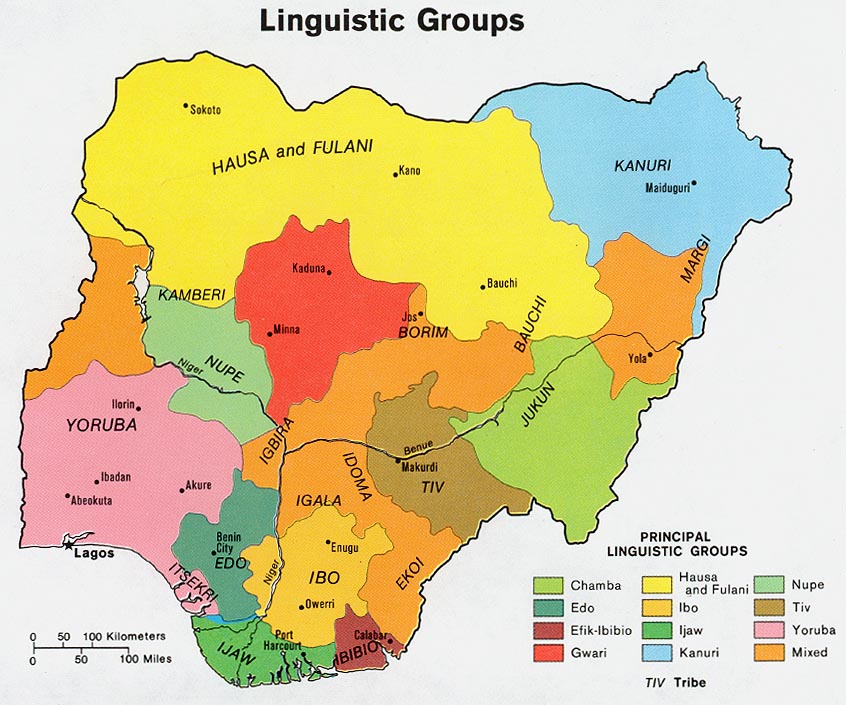
The Loh people live in parts of northeastern Nigeria, particularly in areas of Gombe and Taraba states. They speak the Loo language, a Niger-Congo tongue also known by names such as Lo, Shungo, and Shunhu. Their communities trace their roots to the wider Adamawa-Ubangi cultural sphere, where many groups have long histories of village-based settlement, farming traditions, and interwoven kin networks.
The Loh typically live in small rural settlements where extended families maintain close ties. Farming is central to daily life, with households cultivating crops suited to the region's seasonal patterns. Men and women often share agricultural responsibilities, and families supplement their diet through small-scale animal husbandry and gathering local produce.
Food is usually prepared from locally grown grains, vegetables, and regional staples. Community life plays out in shared work, evening conversations, and traditional gatherings that strengthen social bonds. Celebrations may center on life stages, harvest periods, or local customs passed down through elders. These events reinforce family identity and remind younger generations of their heritage.
Daily rhythms follow the agricultural cycle—planting, weeding, harvesting, and storing crops—along with household chores, local trade, and community cooperation. Such rhythms give structure to family life and deepen the sense of belonging within the village.
The Loh have longstanding ties to traditional religion, which includes practices shaped by the natural environment and ancestral customs. Ethnographic sources identify their religious background as rooted in ethnoreligion. Over time, some Loh individuals have been exposed to Christian teaching, and Scripture is available in the Loo language through external translation efforts.
The Loh benefit from increased access to clear, understandable scripture and consistent discipleship for those who follow Christ. Communities can gain strength from stable education, health resources, and opportunities for economic sustainability. Spiritually, there is a need for sustained teaching that encourages believers to grow in faith and share hope with neighboring groups.
Emerging Christian communities need support in developing local leadership, nurturing fellowship, and cultivating a vision for participating in God's work among other peoples. Many families would also benefit from improved access to clean water, agricultural training, and practical help that enhances daily life.
Pray for Loh believers to grow in spiritual maturity and develop strong local leaders.
Pray for God's word in a language they understand to shape hearts, families, and entire communities.
Pray for sustained gospel witness among the Loh and for emerging churches to become part of the mission force to other peoples.
Pray for improved health, education, and agricultural resources that strengthen village life.
Pray for peace, unity, and openness to Christ throughout Loh communities.
Scripture Prayers for the Loh in Nigeria.
https://www.peoplegroups.org/people_groups/PG013967/
http://www.language-archives.org/language/ldo
https://en.wikipedia.org/wiki/Loh_language
https://nnewicity.com/20-largest-ethnic-groups-in-nigeria/
| Profile Source: Joshua Project |