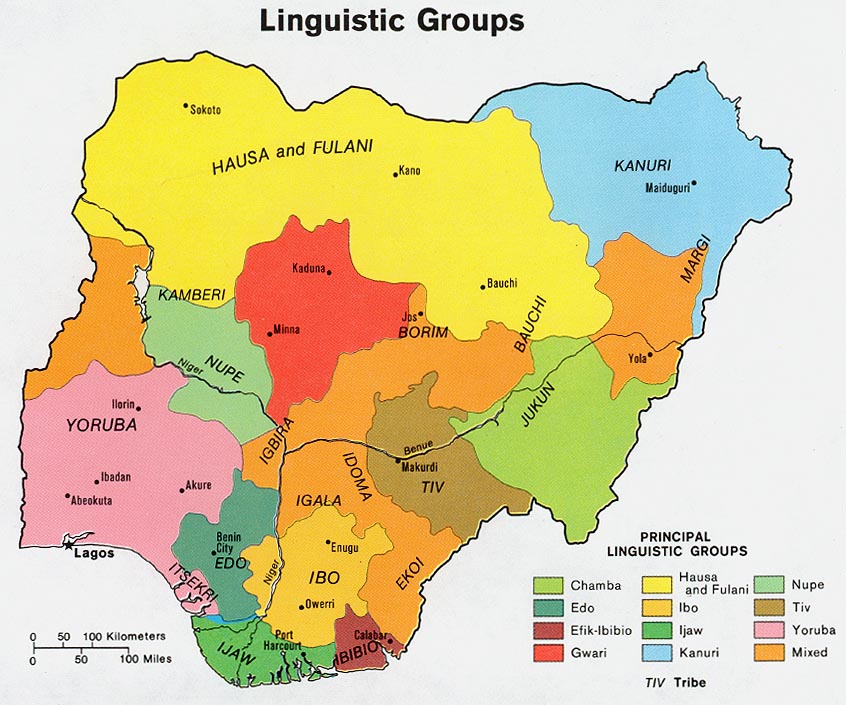
The Horom—also called Rom or BaRom—are an ethnic community living in the Bokkos area of Plateau State. Their language, Horom, belongs to the Plateau branch of the Niger-Congo family and is spoken by all generations in their villages. Neighboring groups often associate them culturally with the Ron, even though the Ron speak a different language family.
Horom communities have long interacted with surrounding peoples and are known for multilingualism. Many also speak Kulere, Rindre, Hausa, and sometimes English. Their history reflects the broader patterns of shifting identities and inter-ethnic relations common across Nigeria's Middle Belt.
Horom families farm the land, cultivating crops suited to the Plateau region. Women and men share agricultural responsibilities, and households often combine farming with small-scale trade when possible. Traditional foods reflect local produce and communal cooking practices.
Family life centers on close kinship ties and cooperation within compounds. Celebrations mark life stages, harvest periods, and communal gatherings. Music and dance remain important, and the Horom are especially noted for their distinctive use of xylophones. Their multilingual environment fosters frequent interaction with neighboring communities, contributing to strong social networks.
The Horom primarily follow ethnic religious practices, honoring ancestral customs and local spiritual realities. Some within the community identify with Christianity, though this presence is limited. Followers of other faiths are treated with respect, and interactions often occur naturally through family, trade, and shared village life.
Many still look to traditional beliefs for guidance in daily concerns, health, protection, and community well-being. A growing Christian presence desires to share the hope found in Jesus Christ, believing he brings blessing and answers for all people.
Horom communities face challenges common in rural Plateau State, including access to education, healthcare, and economic opportunities. Limited Christian presence means many lack sustained exposure to biblical teaching and discipleship. As social pressures and inter-ethnic dynamics shift, the Horom benefit from peacebuilding efforts and support that strengthens family and community stability.
Spiritual growth remains a significant need, particularly where traditional religion still provides the primary framework for addressing life's issues. Christian fellowships require encouragement and maturity to become a stronger witness among their own people.
Pray for strong, mature followers of Jesus within the Horom who will live out the gospel in daily life.
Ask God to open hearts so that many encounter the hope and blessing found in Jesus Christ.
Pray for stability, safety, and improved access to education and healthcare in Horom communities.
Where churches exist, pray they will joyfully send workers to groups without a gospel witness.
Scripture Prayers for the Horom in Nigeria.
https://en.wikipedia.org/wiki/Horom_language
https://www.endangeredlanguages.com/elp-context/context-286-horom-source-recent-fieldwork-nigeria-report-horom-and-tapshin
Historical context on ethnic identities in Nigeria – The Conversation: https://theconversation.com/history-of-divisive-ethnic-identities-shows-its-time-nigeria-admits-its-role-in-enforcing-them-154971
| Profile Source: Joshua Project |