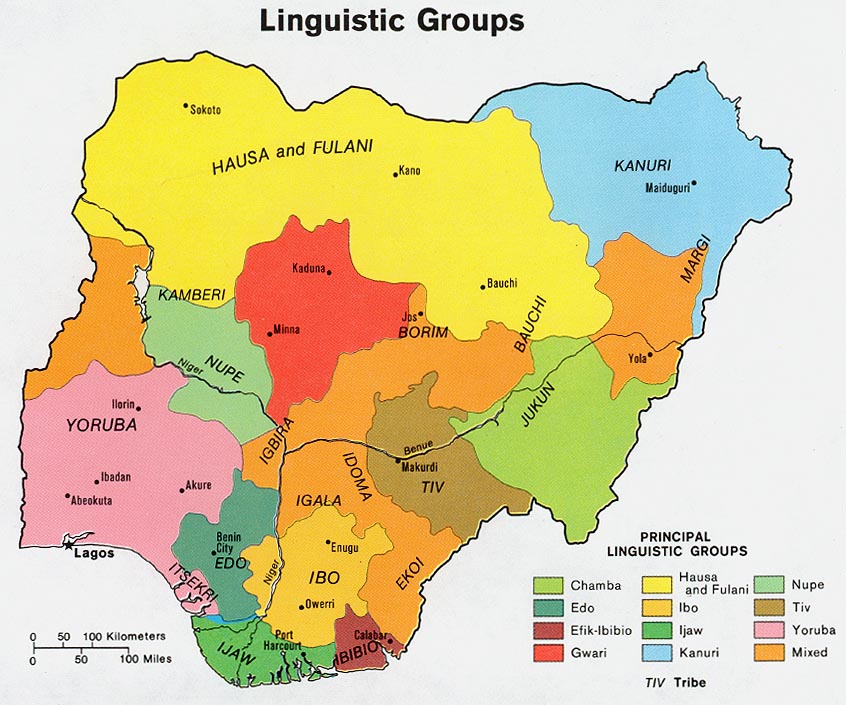
The Epie people are an ethnic group of the Niger Delta region in Nigeria, primarily found in Bayelsa and Rivers States, especially around the Sombreiro and Brass River estuaries. They are part of the wider Niger Delta cultural mosaic and speak the Epie language, which belongs to the Ijoid (Ijaw) language family, distinguishing them from neighboring groups. Historically, the Epie maintained flourishing fishing, canoe trade, and riverine agrarian lifeways long before colonial contact. Their settlements along estuaries and creeks enabled them to engage in regional exchange, fishing expeditions, and cultural linkages across waterways.
Epie daily life is closely tied to riverine and coastal environments. Fishing and fish processing remain central economic activities, providing both food and trade goods. Small garden plots near villages yield cassava, plantains, yams, vegetables, and other staples adapted to riverine soil conditions. Extended family networks and clan ties shape social support systems, mutual aid, and cooperative labor during planting and harvest seasons.
Children grow up learning the Epie language and participating in communal activities such as net weaving, canoe building, and seasonal celebrations. Market days and inter-village exchange connect communities across tidal channels and inland routes. Storytelling, music, and dance are woven into communal life and help preserve cultural memory and identity.
Historically, the Epie people practiced traditional spiritual systems characterized by reverence for the creator, sea and river spirits, ancestors, and unseen forces believed to influence health and prosperity. Ritual specialists and elders played roles in ceremonies tied to fishing success, protection, and life transitions.
In more recent generations, many Epie have embraced Christianity through the influence of mission activity and church presence in the Niger Delta. Christian worship, teaching, and fellowship shape moral frameworks, community rhythms, and social support. Portions of Scripture or translated materials are accessible in languages the community understands, helping believers engage with the Bible in both corporate and personal settings. Traditional spiritual ideas continue to influence spiritual lives. It compromises faith in the only Savior, Jesus Christ.
Although many Epie identify as Christians, there remains a need for deeper biblical discipleship that connects Scripture with daily life, family responsibilities, and community harmony. Pastors, teachers, and lay leaders benefit from ongoing theological training, mentorship, and access to sound teaching resources that strengthen church leadership and pastoral care. They need to be trained as Christ-bearers to ethnic groups without hope.
Youth and family ministries that resonate with local cultural rhythms and respect community identity can help nurture mature faith across generations. Support for education, economic opportunity, and infrastructure — including access to quality schools, healthcare, and sustainable livelihoods — also contributes to family stability and creates environments where spiritual growth and practical well-being can flourish together.
Pray that Epie believers will grow in a deep and practical understanding of scripture that guides daily life, decisions, and relationships.
Pray for pastors, church leaders, and teachers to be equipped with wisdom, compassion, and biblical insight.
Pray for unity and peace within Epie families and community networks that reflect Christ's reconciling love.
Pray for youth and young adults to be rooted in faith, resilient under pressure, and confident in their witness.
Pray that the Epie church would be a blessing to neighboring peoples with limited access to the gospel.
Scripture Prayers for the Epie in Nigeria.
https://en.wikipedia.org/wiki/Epie_language
https://www.ethnologue.com/language/iep
| Profile Source: Joshua Project |