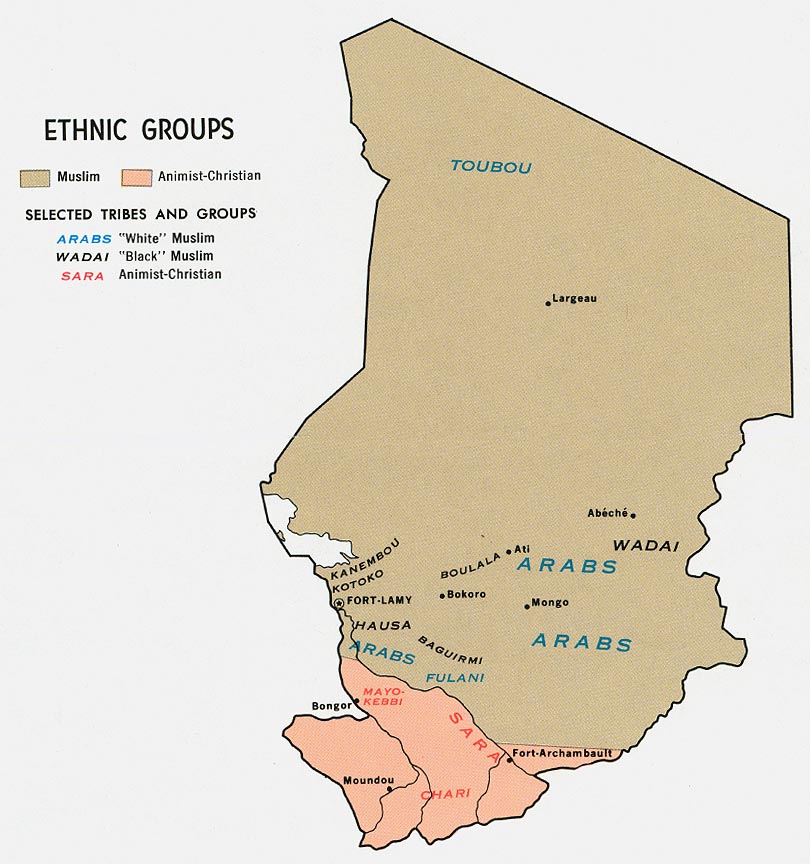

The Bolgo people live primarily in the Guéra region of south?central Chad, including areas southeast of Melfi and within Sorki canton. Historically, Bolgo communities also lived further south into what is now the Central African Republic, where they were once part of a strong regional trading network before periods of conflict contributed to their decline. Their language, Bolgo, belongs to the Bua group of Niger?Congo languages and is spoken in several villages such as Koya, Boli, Gagne, and Bedi. Over time, the Bolgo have maintained a distinct cultural identity while adapting to life among neighboring ethnic groups in this semi?arid region.
The Bolgo are traditionally agriculturalists and herders. Families often cultivate small fields of sorghum, millet, and other dry?region crops, while livestock such as goats and cattle contribute to both livelihood and social standing. Daily life often revolves around farming cycles, care of animals, and seasonal movement where needed.
Their communities are typically organized into small villages with clustered households, where extended families work together in gardening, herding, gathering firewood, and maintaining wells. Social life includes cooperation in field labor and local markets, while oral history, traditional songs, and local customs continue to provide cultural continuity. Though modern influences and trade routes have reached the region, many Bolgo still live in ways shaped by generations of rural life in the Guéra area.
Islam is the primary religious identity among the Bolgo people.
Earlier forms of belief appear to have included respect for spiritual forces tied to nature, ancestors, and the rhythms of village life, but these practices are not widely documented and should be described cautiously. Today, Islamic practices such as communal prayer, fasting, and observance of key holidays often shape social and religious life in Bolgo communities.
A small minority of Bolgo individuals identify with Christianity, though Christian presence is limited in most areas. Christian teaching, where present, provides an alternative framework for understanding God, forgiveness, and community life, but most Bolgo communities have little exposure to biblical discipleship or sustained Christian engagement.
Many Bolgo villages are in remote areas with limited infrastructure, making access to education, clean water, and healthcare difficult. Sustainable farming support and reliable water sources can significantly improve daily life. Literacy resources in the Bolgo language may also help strengthen communication, education, and cultural preservation.
Spiritually, the Bolgo need opportunities for engagement with Scripture, patient teaching, and compassionate witness. In communities with little access to Christian fellowship, long?term relational ministry and prayer are essential. Support for local families, encouragement for emerging Christian leaders, and translation or oral communication of biblical truth can all contribute to meaningful growth.
Pray for the Bolgo people to encounter the truth of Jesus Christ through scripture and through faithful witnesses.
Pray for strong families marked by peace, love, and hope.
Pray for those who follow Christ within Bolgo communities to be strengthened, encouraged, and grounded in God's word.
Pray for open doors for long-term ministry and for wisdom for those seeking to serve Muslims who need to know of God's mercy and grace.
Pray for Muslims among them to have dreams and visions of the risen Christ.
Scripture Prayers for the Bolgo in Chad.
| Profile Source: Joshua Project |