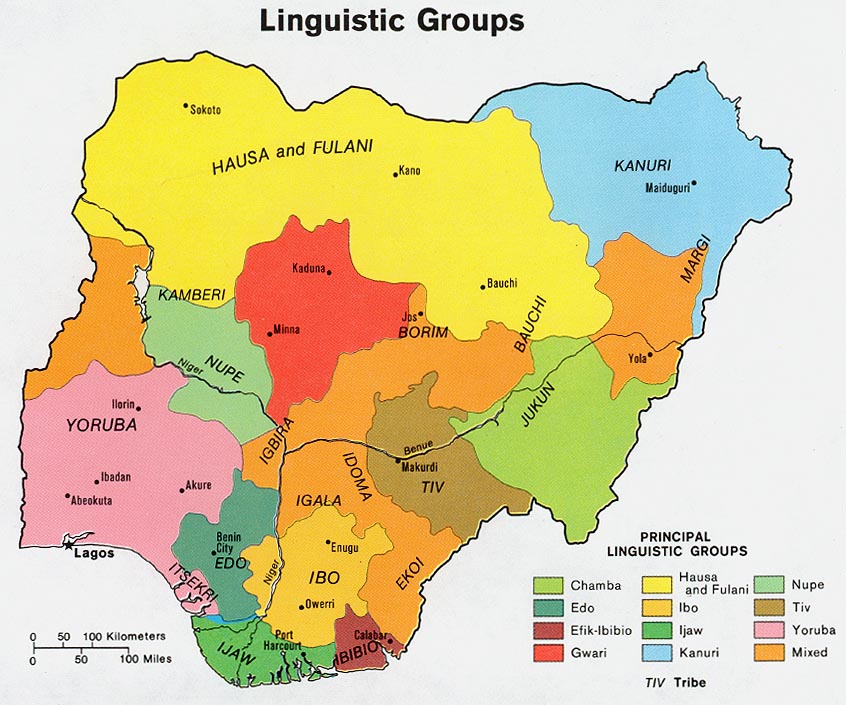

The Ayu are a small indigenous people of southern Kaduna State in Nigeria's Middle Belt region, living in the villages of Sanga Local Government Area near the border with Plateau and Nasarawa states. Their villages — including Agamati, Amantu, Ambel, Anka, Arau, Digel, Gwade, Ikwa, Kongon, and Tayu — are scattered across a landscape of savanna, hills, and river valleys that has sustained life in this part of Nigeria for many generations.
The Ayu speak a Plateau language of uncertain classification within the Niger-Congo family, possibly related to the Ninzic language cluster of the same region. Like many of the dozens of minority languages spoken in Kaduna State, the Ayu language is today considered endangered, with the language not being widely transmitted to younger generations. Hausa and English serve as languages of wider communication across the region, and many Ayu people are fluent in one or both alongside their mother tongue.
The Ayu are among the many smaller ethnic groups of southern Kaduna who trace their roots to the ancient Nok culture region, a civilization that flourished in this part of Nigeria for well over a thousand years and is known today for producing some of the earliest iron-smelting technology and terracotta sculpture in sub-Saharan Africa. Like neighboring groups in Sanga, the Ayu people have lived through the layered history of the Middle Belt — including pre-colonial migrations, the pressures of the Sokoto Caliphate era, British colonial administration, and the challenges of life as a minority people in post-independence Nigeria.
The Ayu live primarily as subsistence farmers in a region known for its agricultural richness. Sanga Local Government Area is recognized across Nigeria as a center of ginger production, and crops including sugar cane, onions, rice, millet, and sorghum are cultivated across the area. Domestic animals such as cattle, goats, and sheep are kept and traded as an important part of household economy. Traditional crafts including blacksmithing and pottery are also practiced in the broader Sanga area, reflecting skills passed down through generations.
Village life centers on family and kinship networks, with extended family ties shaping community decisions and daily obligations. The two distinct seasons — dry and rainy — govern the agricultural calendar and the rhythms of daily life. Access to education and healthcare has improved in parts of the region over the years, though rural communities like those of the Ayu continue to face the practical challenges common to small, geographically dispersed communities in Nigeria's Middle Belt.
Christianity is the dominant religion among the indigenous peoples of southern Kaduna, and the Ayu share in that broadly Christian heritage. Christian mission activity reached the Middle Belt through the work of missionaries in the nineteenth and twentieth centuries, and the church has been present in southern Kaduna communities for generations. Many Ayu identify with the Christian faith, and the broader Sanga area is home to Christian congregations across various denominations.
As with many communities across rural Nigeria, traditional cultural practices may continue to hold social significance alongside Christian identity in some households. The need for deep, Scripture-grounded discipleship is real wherever faith is maturing and growing roots across generations.
The most significant need of the Ayu people is for their Christian faith to be deeply rooted, living, and actively passed on to the next generation. A community with a Christian heritage stands at a crossroads in every generation — the faith must be personally owned, not merely inherited. The Ayu need gifted local leaders who know the Word of God and can shepherd their community with wisdom, integrity, and genuine love for Christ.
The gradual decline of the Ayu language is also a quiet but significant concern. When a language is lost, the cultural memory, oral traditions, and communal identity carried within it are lost as well. Thoughtful efforts to preserve and document the language deserve the attention of the wider church and community alike.
Pray for the believers among the Ayu, that their faith would be genuine, growing, and firmly rooted in the finished work of Christ-- a living faith that transforms families and communities from the inside out.
Pray for the raising up of godly leaders from within the Ayu community, men and women who know the scriptures, lead with integrity, and equip their people to walk faithfully with Christ.
Pray for Ayu families, that parents would pass a living faith to their children, and that every generation would come to know Jesus Christ as Lord and Savior in a personal and lasting way.
Pray that the Ayu church would develop a vision beyond its own borders, and that believers would catch a heart to send workers to the unreached peoples of Nigeria who have not yet heard the gospel.
Scripture Prayers for the Ayu in Nigeria.
https://en.wikipedia.org/wiki/Ayu_language
https://en.wikipedia.org/wiki/Sanga,_Kaduna
https://en.wikipedia.org/wiki/Southern_Kaduna
https://en.wikipedia.org/wiki/Christianity_in_Kaduna_State
https://www.ethnologue.com/language/ayy/
https://glottolog.org/resource/languoid/id/ayuu1235
https://www.nigeriagalleria.com/Nigeria/States_Nigeria/Kaduna/Brief-History-of-Kaduna-State.html
| Profile Source: Joshua Project |