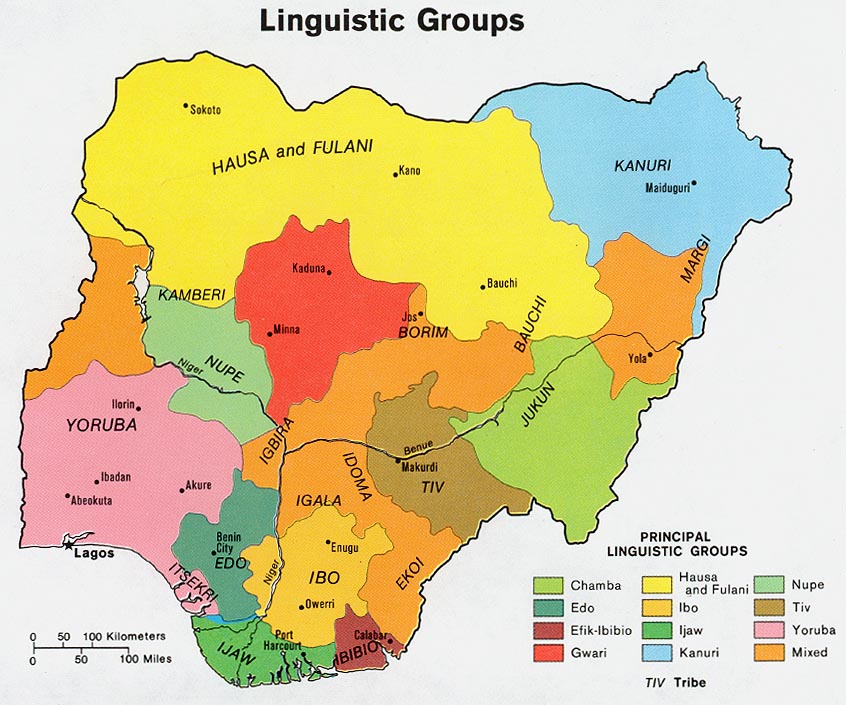
The Akpes people, sometimes called Abesabesi or Ibarim-Efifa, are an indigenous community located across several settlements in Ondo State's Akoko North East and North West LGAs, as well as in parts of Ekiti East LGA (Ekiti State) and Ijumu LGA (Kogi State).
Their language, often labeled Akpes in published literature, is known within the community as Àbèsàbèsì, spoken across nine settlements with multiple dialects—including Akpes, Ekiromi, Ilueni, and Esuku—each mutually intelligible.
Historical linguistic research notes that the language belongs to the Niger–Congo family, though its exact classification has been debated due to overlapping features with Edoid and Ukaan language groups.
In recent decades, the increasing dominance of Yoruba in the region has contributed to a gradual shift away from Akpes, especially among younger speakers.
The Akpes people live in rural, agrarian communities, relying heavily on farming, local trade, and artisan activities typical of the Akoko region. Their settlements maintain close inter-family cooperation, with households working side by side in cultivation, food preparation, and shared labor.
Family life is shaped by communal responsibilities, respect for elders, and participation in age-grade groups that contribute to civic tasks and community upkeep. Celebrations often feature music, oral storytelling, and cultural expressions that reflect both Akpes traditions and the broader Yoruba-influenced environment surrounding them.
Food is drawn from local produce common across the Akoko highlands, including yams, cassava, grains, and vegetables, shaped by longstanding culinary patterns handed down through families.
The Akpes people follow a combination of ethnic religious practices and Christianity, with ethnic religion functioning as their largest religious orientation.
Some within the community identify as Christians, and their presence represents an important foundation for future spiritual development. Because the gospel is present among them, it is appropriate to pray that these believers will be strengthened to become part of the global discipleship force, bringing Christ's mercy to less-reached peoples around them.
Traditional beliefs remain influential, especially in areas where cultural practices and ancestral identity hold deep meaning. Yet the hope of Jesus Christ continues to offer a transforming path toward redemption and spiritual renewal.
A stronger grounding in scripture would help the Akpes people cultivate enduring faith amid cultural pressures and the challenges of linguistic and social change. Access to resources in their own language would affirm both their identity and their understanding of Christ's message of mercy and reconciliation.
Communities would benefit from increased support for local leadership, training in discipleship, and ministries that speak to their physical realities—farming sustainability, economic empowerment, and family stability—while pointing them to the eternal hope that only Jesus provides.
Pray that the Holy Spirit will stir hearts among the Akpes, leading many to encounter Jesus as the source of life, peace, and forgiveness.
Pray that Christian families within the Akpes community will grow in maturity and become channels of blessing to neighboring peoples.
Pray that God will raise up local leaders who will courageously guide their communities in both spiritual growth and daily resilience.
Pray that Scripture engagement in the Akpes language will flourish, nurturing faith and drawing many into Christ-centered transformation.
Scripture Prayers for the Akpes, Ibarim-Efifa in Nigeria.
https://en.wikipedia.org/wiki/Akpes_language
https://www.peoplegroups.org/people_groups/PG013635/
https://www.elararchive.org/dk0555/
http://ijll.thebrpi.org/journals/ijll/Vol_1_No_1_July_2013/full-text-5.php
| Profile Source: Joshua Project |