Virgin Islander in British Virgin Islands
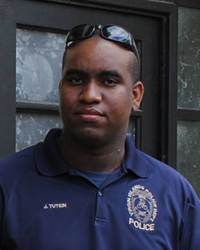
Photo Source:
Lee Cannon - Flickr
Creative Commons
|
Send Joshua Project a map of this people group.
|
| People Name: | Virgin Islander |
| Country: | British Virgin Islands |
| 10/40 Window: | No |
| Population: | 35,000 |
| World Population: | 80,200 |
| Primary Language: | Virgin Islands English Creole |
| Primary Religion: | Christianity |
| Christian Adherents: | 94.00 % |
| Evangelicals: | 31.00 % |
| Scripture: | Portions |
| Ministry Resources: | Yes |
| Jesus Film: | No |
| Audio Recordings: | Yes |
| People Cluster: | Afro-American, Northern |
| Affinity Bloc: | North American Peoples |
| Progress Level: |

|
Introduction / History
Virgin Islanders primarily live in the island chain in the northeastern Caribbean that includes the United States Virgin Islands and the British Virgin Islands. Their identity is shaped by life in small island communities that are closely tied to the sea, and by ongoing connections to larger nations through government, education, and commerce. English is the primary public language across the islands, and everyday speech often includes local creole patterns and Caribbean expressions shaped by centuries of cultural blending.
The Virgin Islands have a complex history that includes indigenous peoples, European colonization, and the profound suffering caused by the transatlantic slave trade. Over time, African heritage, European influence, and migration from other Caribbean islands and from abroad have contributed to a distinctive culture with shared roots across the island chain. Because the islands developed under different colonial administrations, Virgin Islanders can experience different political systems and public institutions, while still recognizing cultural common ground through family ties, work networks, and a shared island way of life marked by resilience, hospitality, and in local traditions.
What Are Their Lives Like?
Virgin Islanders today live in societies strongly influenced by service-based economies, with many livelihoods connected to tourism, marine industries, and small business. Work commonly includes hospitality, transportation, retail, construction, education, healthcare, and government, as well as trades that support boating, shipping, and visitor activity.
Their diet reflects both Caribbean cooking and the island supply. Many meals include fish or other seafood, rice, beans, stewed meats, vegetables, and tropical fruits, alongside imported foods that are common in modern supermarkets. Family life is often supported by strong extended relationships, with grandparents, aunts, uncles, and close friends sharing childcare and helping one another during illness, job changes, or major expenses.
Festivals and public celebrations are expressions of community identity. Across the Virgin Islands, carnivals, cultural festivals, and commemorations often include parades, pageants, live music, dancing, and food traditions that bring neighborhoods together for days or weeks at a time. These serve as entertainment to the people and as a reminder of history.
What Are Their Beliefs?
Christianity is the dominant religion among Virgin Islanders, and church life is prominent in many communities. Protestant traditions have a strong presence, and Roman Catholic congregations are also widely established, shaping their way of life.
At the same time, outward religious identification does not always reflect personal faith in Jesus Christ or a clear understanding of the gospel. In some settings, Christian language and practice may be mixed with folk beliefs, superstition, or spiritual customs that have circulated in the wider Caribbean, which can deepen fear and confusion rather than produce biblical confidence and peace. Where churches are numerous, the spiritual need is often for deeper discipleship, clear and faithful scripture teaching, and congregations that embody Christ's mercy through both compassion and truth. In a setting shaped by tourism and outside influences, material pressures and social change can also compete with consistent discipleship and faithful Christian community.
What Are Their Needs?
Economic stability can be difficult when island life is costly and many goods must be imported, which places ongoing pressure on household budgets. Because tourism and related services are so important, sudden disruptions from storms, global events, or changes in travel can quickly affect income and employment. Reliable infrastructure, affordable housing, and accessible healthcare matter deeply for long-term well-being, especially when specialized services may require travel off island.
Communities also carry the strain of preparing for and recovering from hurricanes and other crises, and the long process of rebuilding can weigh on mental health, relationships, and public resources. Migration for education and work can separate families and reduce local support for children and older adults.
Spiritually, many people would benefit from hearing the gospel with clarity and responding with repentance and faith, moving beyond cultural Christianity into a living relationship with Christ. Given the strong Christian presence in the islands, an additional need is for believers to mature as disciples and participate actively in God's global mission, helping bring the good news to peoples who still lack access to the gospel.
Prayer Points
Pray for steady work, wise governance, and practical provision for families facing the high costs and vulnerabilities of island economies.
Pray for protection from storms and for effective preparation, recovery, and rebuilding that strengthens homes, healthcare, and essential services.
Pray that many Virgin Islanders would encounter the mercy of Jesus Christ in true repentance and faith, and that churches would proclaim scripture faithfully and make disciples who obey Christ.
Pray that believers across the Virgin Islands would become part of the global discipleship force, sending workers and partnering sacrificially for the spread of the gospel among less-reached peoples.