Kuk in Cameroon
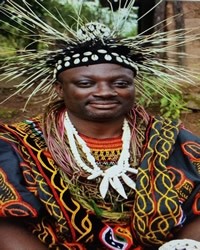
Photo Source:
Beng Keluh
|
Send Joshua Project a map of this people group.
|
| People Name: | Kuk |
| Country: | Cameroon |
| 10/40 Window: | No |
| Population: | 6,900 |
| World Population: | 6,900 |
| Primary Language: | Kuk |
| Primary Religion: | Christianity |
| Christian Adherents: | 72.00 % |
| Evangelicals: | 3.00 % |
| Scripture: | Translation Needed |
| Ministry Resources: | No |
| Jesus Film: | No |
| Audio Recordings: | No |
| People Cluster: | Benue |
| Affinity Bloc: | Sub-Saharan Peoples |
| Progress Level: |

|
Introduction / History
The Kuk people live in the Northwest Region of Cameroon, specifically in Menchum Division and the Fungom Subdivision. Their communities are found along the Ring Road and the route between Weh and Bafmeng, including villages such as Kuk, Kumfutu, Achaf, Nzela, Echuapo, and Ebo.
They speak the Kuk language, a Grassfields Bantu language within the Niger-Congo family. Although neighboring groups have sometimes attempted to form their own linguistic identity, the Kuk have maintained their connection to this shared Grassfields heritage. Their history is shaped by the rhythms of village life in the highland regions of Cameroon, where kinship networks, local leadership, and communal land use have long structured society.
What Are Their Lives Like?
Most Kuk families engage in farming, growing crops suited to the highland climate. These include staple foods cultivated for daily meals as well as small amounts of produce exchanged in local markets. Farming is typically done by extended families, with men and women working together to prepare fields, plant, harvest, and manage stores.
Family life centers on multi-generational households, where elders pass down wisdom, customs, and stories. Young people often assist with farming, gathering firewood, or tending small livestock. Community life includes cooperation for planting and harvest seasons, mutual support during times of difficulty, and participation in community decisions.
Traditional customs are expressed through local dance, storytelling, and gatherings during seasonal or family celebrations. These events provide opportunities for neighboring villages to renew social ties. Daily life is structured around early morning farm work, midday rest, household chores, and evening time spent with family.
What Are Their Beliefs?
Christianity is the primary religious identity of the Kuk people. Local expressions of faith may vary, with some families continuing certain cultural customs alongside their Christian identity. Church gatherings serve as important centers of worship, teaching, and community support. There is always the challenge of making sure faith is in Jesus Christ rather than the spirit world.
Because the Kuk speak a Grassfields Bantu language, Scripture is available in languages they understand, though full translation status for Kuk itself is not fully documented.
What Are Their Needs?
The Kuk people face ongoing needs related to both physical well-being and spiritual growth. Rural households benefit from improved access to healthcare, steady agricultural support, secure water sources, and opportunities for education.
Spiritually, they need strengthened local leadership, clear biblical teaching, and deeper discipleship within churches. With multiple villages spread across a rural region, ongoing encouragement and training for pastors and lay leaders is essential. Young people especially benefit from guidance that grounds them in Christ while equipping them for mature service.
Prayer Points
Pray for Kuk believers to grow in spiritual maturity, wisdom, and love for God's word.
Pray for strong, Christ-centered leadership in village churches to guide and disciple the next generation.
Ask God to meet the physical needs of families—food security, health, and stability in rural life.
Pray that the Kuk will become part of the gospel force, sending workers to peoples with less access to the good news.