Rade in Vietnam
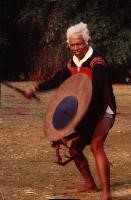
Photo Source:
Anonymous
|
Send Joshua Project a map of this people group.
|
| People Name: | Rade |
| Country: | Vietnam |
| 10/40 Window: | Yes |
| Population: | 416,000 |
| World Population: | 419,400 |
| Primary Language: | Rade |
| Primary Religion: | Christianity |
| Christian Adherents: | 80.00 % |
| Evangelicals: | 33.40 % |
| Scripture: | Complete Bible |
| Ministry Resources: | Yes |
| Jesus Film: | Yes |
| Audio Recordings: | Yes |
| People Cluster: | Cham |
| Affinity Bloc: | Southeast Asian Peoples |
| Progress Level: |

|
Introduction / History
The Rade (also spelled Rhade or Ê-ê) are an indigenous ethnic group of Vietnam's Central Highlands. Unlike the majority Kinh people, the Rade speak an Austronesian language, linking them linguistically to peoples of maritime Southeast Asia.
Historically, the Rade lived in autonomous villages governed by customary law and clan structures. Their society is traditionally matrilineal, meaning descent and inheritance pass through the mother's line. Extended families live together in long wooden longhouses, which serve as both homes and centers of community life.
During the Vietnam War, some Rade were involved in regional conflicts and shifting political alliances, which affected Highland communities deeply. In the decades since, government development programs, migration from lowland Vietnamese populations, and economic changes—especially coffee cultivation—have reshaped Rade society. While many traditions remain strong, modern influences continue to impact younger generations.
What Are Their Lives Like?
Traditionally, the Rade practiced swidden (slash-and-burn) agriculture, growing upland rice, maize, and root crops. Today, many families farm coffee and other cash crops in addition to subsistence farming. Village life centers around extended family and clan relationships. Longhouses may contain several generations of women from the same family line, along with their husbands. Women often hold significant authority in household and inheritance matters. Music, gong performances, storytelling, and seasonal festivals remain important parts of Rade culture. Respect for elders and communal decision-making are highly valued. Even as modernization spreads, community identity remains strong in many rural areas.
What Are Their Beliefs?
Traditionally, the Rade practiced animism, believing in a spirit world that influences daily life. Spirits connected to nature, ancestors, and village well-being required rituals and offerings. Fear of offending spirits shaped many cultural practices. Today, a large majority of Rade identify as Christian, particularly Protestant. Scripture is available in their language, and there are established churches among them. However, in some communities, traditional beliefs continue alongside Christian identity. Syncretism—mixing biblical faith with older spiritual practices—can still influence worldview and behavior. Where the gospel has taken root deeply, believers testify to freedom from fear of spirits and assurance of salvation through Jesus Christ. Continued biblical teaching is essential so that faith is grounded firmly in scripture rather than blended with traditional religion.
What Are Their Needs?
The Rade need economic stability in rural areas facing land and development pressures. Although the Rade are not considered unreached, spiritual growth and church maturity remain key needs.
Prayer Points
Pray that every Rade believer would grow in strong, scripture-based faith and put it to work through acts of love.
Pray for freedom from fear of spirits and lingering animistic practices.
Pray for bold and wise Rade pastors, evangelists, and disciplers.
Pray for unity and health among Rade churches.
Pray that the Rade would become a missionary-sending people, sharing Christ with neighboring ethnic groups in Southeast Asia.
References