Ywom in Nigeria
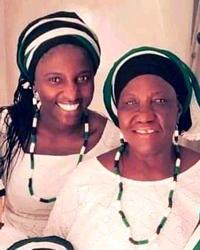
Photo Source:
Anonymous
|
Send Joshua Project a map of this people group.
|
| People Name: | Ywom |
| Country: | Nigeria |
| 10/40 Window: | Yes |
| Population: | 13,000 |
| World Population: | 13,000 |
| Primary Language: | Ywom |
| Primary Religion: | Ethnic Religions |
| Christian Adherents: | 25.00 % |
| Evangelicals: | 6.00 % |
| Scripture: | Portions |
| Ministry Resources: | Yes |
| Jesus Film: | Yes |
| Audio Recordings: | Yes |
| People Cluster: | Chadic |
| Affinity Bloc: | Sub-Saharan Peoples |
| Progress Level: |

|
Introduction / History
The Ywom are an indigenous people group living primarily in the southern areas of Plateau State, Nigeria, across the Mikang, Shendam, and Langtang Local Government Areas, with a presence extending into Taraba State. The town of Hyel Ywom serves as a heartland of the community, surrounded by neighboring peoples including the Tarok, Goemai, Montol, and Jukun. Historically, Ywom communities and settlements were once more widespread across the region; their place names still mark the landscape in areas now primarily associated with Tarok-speaking populations, a quiet testament to a history of migration and change.
The Ywom speak Ywom — also known as Gerka or Gerkawa, names given by Hausa-speaking neighbors. Their language belongs to the West Chadic branch of the broader Afro-Asiatic language family, placing it in a family that stretches across northern Africa and the Middle East. Ywom has been significantly influenced by the Plateau-family languages spoken by surrounding peoples, which has given it phonological features unusual for a Chadic language. Many Ywom speakers are multilingual, also using Jukun or Tarok in trade and daily interaction with their neighbors. The language has been documented by linguists, and Scripture portions have been published in Ywom, with additional audio and digital resources available.
The Ywom people share much of their regional history with neighboring groups in the Middle Belt of Nigeria — a history shaped by migrations, the pressures of the Fulani jihad in the nineteenth century, British colonial administration in the early twentieth century, and the arrival of Christianity and formal education. Despite these sweeping changes, the Ywom have maintained a distinct identity, language, and community life into the present day.
What Are Their Lives Like?
The Ywom are primarily subsistence farmers, as are most communities in Plateau State's southern lowlands. Sorghum and millet are the foundational crops, supplemented by groundnuts, beans, and seasonal vegetables. Farming shapes the rhythm of the year: planting and harvest seasons determine the tempo of community life, and times of abundant harvest call for communal celebration and thanksgiving. Fishing, livestock-keeping, and small-scale trade round out the local economy, and many Ywom participate in markets shared with neighboring Tarok and Goemai communities.
Family structure is built around extended households, where elders carry authority in matters of land allocation, marriage negotiations, and community governance. Marriage continues to follow customs that bind families together, and younger generations are expected to show respect for senior members of the household. Community identity is reinforced through shared work and through events that mark significant life passages. Social bonds are strong, and neighboring families support one another through hardship in ways that formal institutions rarely reach.
Though Plateau State is sometimes called Nigeria's tourism haven for its highland landscapes and cultural diversity, the southern lowlands where the Ywom live have not been shielded from the communal conflicts and insecurity that have troubled the wider region. Access to quality schools, healthcare, and economic infrastructure remains limited for small rural communities like the Ywom.
What Are Their Beliefs?
Ethnic religions — animistic beliefs rooted in the spirit world — remain the primary religious framework for the majority of the Ywom community. This worldview understands natural entities to possess spiritual essence and holds that the well-being of individuals and communities depends on maintaining proper relationships with these forces. Ancestor veneration is commonly part of this framework: deceased relatives are believed to act as spiritual guardians or intercessors, and regular rituals are observed to honor them and secure their blessing. Agricultural ceremonies, community rituals, and rites of passage reinforce this spiritual order and bind the community together across generations.
Islam is practiced by a significant portion of the Ywom, reflecting the broader influence of Islam throughout Nigeria's Middle Belt, which accelerated during the Fulani jihad era and through centuries of trade and intermarriage with Muslim neighbors. A smaller portion of the Ywom identify as Christian, and it is among this group that evangelical believers — those committed to personal faith in Jesus Christ and the authority of scripture — can be found. Scripture resources in the Ywom language, including portions and digital audio content, are available to support those who wish to engage with God's word in their mother tongue.
What Are Their Needs?
The Ywom need access to greater educational and economic opportunities so that families can build stable, dignified lives without the vulnerability that comes from poverty and isolation. Healthcare access across the region is limited, and rural communities like the Ywom often lack reliable medical services for common and preventable illnesses. A complete Bible translation in the Ywom language would be a profound gift to the community, allowing believers to grow in their faith and enabling the gospel to spread through Scripture in the language people understand most deeply. Those among the Ywom who already follow Christ need discipleship, pastoral support, and the encouragement to share their faith not only within their own community but also among neighboring peoples in the Plateau and Taraba regions who have even less access to the gospel.
Prayer Points
Pray that God will raise up and strengthen evangelical believers among the Ywom, deepening their faith through Scripture and grounding them in the life of the local church.
Pray for a complete Bible translation in the Ywom language, and that existing scripture resources will find their way into Ywom homes and hearts.
Pray that the Ywom church will grow in confidence and calling, becoming an active witness to less-reached peoples in Nigeria and beyond.
Pray for peace and security in the communities where the Ywom live, and for improved access to healthcare, education, and economic opportunity.
Pray that the Holy Spirit will move powerfully among those who practice traditional ethnic religion or Islam, drawing many Ywom to saving faith in Jesus Christ.