Yagaria in Papua New Guinea
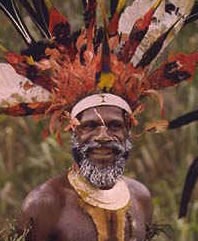
Photo Source:
Galen Frysinger
|
Send Joshua Project a map of this people group.
|
| People Name: | Yagaria |
| Country: | Papua New Guinea |
| 10/40 Window: | No |
| Population: | 52,000 |
| World Population: | 52,000 |
| Primary Language: | Yagaria |
| Primary Religion: | Christianity |
| Christian Adherents: | 88.00 % |
| Evangelicals: | 22.00 % |
| Scripture: | New Testament |
| Ministry Resources: | No |
| Jesus Film: | No |
| Audio Recordings: | Yes |
| People Cluster: | New Guinea |
| Affinity Bloc: | Pacific Islanders |
| Progress Level: |

|
Introduction / History
The Yagaria people live in the Eastern Highlands Province of Papua New Guinea, particularly in mountainous regions near Goroka. They speak the Yagaria language, which belongs to the Trans–New Guinea language family. For generations, their society has been shaped by highland agricultural traditions, clan-based organization, and strong communal ties. Like many highlands peoples, they historically lived in relatively isolated valleys, which allowed their language and cultural identity to develop with distinct customs, ceremonial life, and land inheritance patterns.
What Are Their Lives Like?
Yagaria communities are organized around extended family groups and clans. Social identity is closely tied to land ownership, kinship networks, and mutual obligations within the tribe. Subsistence agriculture forms the foundation of daily life, with sweet potatoes serving as a staple crop. Pigs are highly valued and play an important role in ceremonial exchanges, bridewealth, and social status. Gardens are cultivated on mountain slopes, and cooperation in planting and harvesting strengthens communal bonds.
Village life includes traditional singsing gatherings, storytelling, and ritual practices that preserve oral history and reinforce identity. While many Yagaria also engage in trade, education, and employment in nearby towns, rural village life remains central to cultural continuity. Schools and churches serve as gathering points, shaping both community structure and generational development.
What Are Their Beliefs?
Christianity is widely identified among the Yagaria, with various Protestant and Catholic churches active in the region. Scripture is available in a language they understand, and portions of the Bible have been translated into Yagaria. Churches are common features of village life, and Christian teaching influences moral expectations and community norms.
At the same time, traditional spiritual concepts continue to influence worldview in some areas. Beliefs related to ancestral spirits, land spirits, and spiritual causation of illness have historically shaped interpretation of life events. For many Yagaria believers, Christian faith has replaced or reshaped earlier practices, though elements of traditional worldview may persist culturally in some communities.
What Are Their Needs?
Although Christian affiliation is widespread, there remains a need for deeper biblical discipleship that strengthens personal faith, family leadership, and church maturity. Training for local pastors and lay leaders can help ensure strong, Scripture-centered teaching rooted in the heart language of the people.
Economic challenges, limited infrastructure in remote mountain regions, and access to healthcare and higher education also affect long-term stability for families. Continued development of literacy and Christian teaching materials in Yagaria can help nurture lasting spiritual growth across generations.
Prayer Points
Pray that Yagaria believers will grow in consistent Scripture engagement and obedience.
Pray for strong local pastors and teachers equipped to disciple others faithfully.
Pray for youth to be grounded in biblical truth while honoring their cultural heritage.
Pray for unity among churches and for continued spiritual maturity.
Pray that the Yagaria church will carry the gospel beyond their own communities.