Zaar, Sayawa in Nigeria
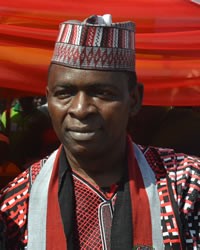
Photo Source:
Anonymous
|
Send Joshua Project a map of this people group.
|
| People Name: | Zaar, Sayawa |
| Country: | Nigeria |
| 10/40 Window: | Yes |
| Population: | 396,000 |
| World Population: | 396,000 |
| Primary Language: | Saya |
| Primary Religion: | Christianity |
| Christian Adherents: | 90.00 % |
| Evangelicals: | 20.00 % |
| Scripture: | Portions |
| Ministry Resources: | Yes |
| Jesus Film: | Yes |
| Audio Recordings: | Yes |
| People Cluster: | Chadic |
| Affinity Bloc: | Sub-Saharan Peoples |
| Progress Level: |

|
Introduction / History
The Sayawa Zaar are an ethnic group living in Bauchi State in northern Nigeria. Historically, the Sayawa Zaar lived in hill regions and rural settlements, where they developed strong clan identities and community structures. Oral traditions connect them to neighboring groups in the region and recount periods of migration, settlement, and conflict. During the nineteenth century, the expansion of Islamic emirates in northern Nigeria influenced the political and social environment around them. Some Sayawa Zaar communities came under the influence of Muslim rulers, while others retained traditional leadership patterns in more isolated areas.
In the twentieth century, Christian missionaries entered the region. Over time, churches were established, Scripture portions were translated, and local believers emerged as leaders. Today, the Sayawa Zaar maintain a distinct ethnic identity while interacting closely with neighboring Hausa and other ethnic groups through trade, education, and public life.
What Are Their Lives Like?
Most Sayawa Zaar people live in rural towns and villages, though some have moved to cities for education, government work, or business. Farming remains central to daily life. Families cultivate crops such as maize, millet, guinea corn (sorghum), rice, groundnuts, and beans. Some households raise goats, sheep, and poultry. Markets provide opportunities to sell produce and buy household goods, cloth, and tools. Food is simple and practical, often based on grains served with soups or stews made from vegetables, peppers, and sometimes meat or fish. Meals are usually prepared by women and shared within the extended family.
Family life is highly valued. Households often include several generations, and respect for elders is deeply ingrained. Marriage is an important social institution, linking families and clans. While traditional customs still influence weddings and family celebrations, many Sayawa Zaar Christians incorporate church ceremonies and biblical teaching into marriage practices.
Community celebrations may include harvest festivals, weddings, naming ceremonies, and Christmas or Easter gatherings among Christians. Music and dance are important expressions of joy and identity, with local instruments and songs used at social events and church services alike.
Education has become increasingly important, and many Sayawa Zaar parents desire schooling for their children. Literacy in English and Hausa enables broader participation in Nigerian society, while the Zaar language continues to be used in homes and local gatherings.
What Are Their Beliefs?
The Sayawa Zaar are religiously diverse. The vast majority identify as Christians, and churches are present in many communities. Christian gatherings include preaching, singing, prayer, and Bible reading. Local pastors and evangelists play an important role in spiritual life. Among Sayawa Zaar Christians, there is a growing desire for deeper discipleship and biblical understanding. Churches often face the challenge of teaching clearly about salvation by grace, the authority of Scripture, and freedom from fear of spirits.
A small number of the Sayawa Zaar follow Islam, influenced by the wider northern Nigerian context. They may attend the mosque, observe daily prayers, and participate in Islamic festivals.
What Are Their Needs?
Many Sayawa Zaar communities need improved access to quality education, healthcare, and economic opportunity. Rural farmers are vulnerable to changing weather patterns, limited infrastructure, and fluctuating market prices. Clean water, medical services, and job opportunities for young people remain important concerns.
Spiritually, there is a need for strong, well-trained church leaders who can teach the Bible faithfully and address questions related to traditional beliefs and Islamic influence. Believers need encouragement to grow in Christ, live out their faith with integrity, and demonstrate unity across denominational lines.
Those who follow Islam or traditional religions need opportunities to hear the gospel clearly and respectfully in their own language. Continued translation work, discipleship resources, and culturally appropriate Christian materials are essential.
Prayer Points
Pray for economic stability and improved farming conditions for Sayawa Zaar families.
Pray for loving, well-trained pastors and teachers who will handle God's word with wisdom and courage.
Pray that Sayawa Zaar believers will grow in spiritual maturity and freedom from fear.
Pray that Sayawa Zaar Christians will lovingly share the gospel with neighboring communities who lack adequate gospel witness.
Pray for the Muslims among them to hear and understand that Jesus along offers salvation by grace and life to the full.