Pongu in Nigeria
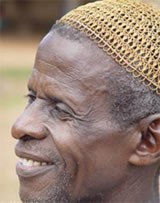
Photo Source:
Copyrighted © 2026
GoWestAfrica All rights reserved. Used with permission |
Send Joshua Project a map of this people group.
|
| People Name: | Pongu |
| Country: | Nigeria |
| 10/40 Window: | Yes |
| Population: | 57,000 |
| World Population: | 57,000 |
| Primary Language: | Pangu |
| Primary Religion: | Islam |
| Christian Adherents: | 30.00 % |
| Evangelicals: | 2.50 % |
| Scripture: | Portions |
| Ministry Resources: | No |
| Jesus Film: | No |
| Audio Recordings: | Yes |
| People Cluster: | Benue |
| Affinity Bloc: | Sub-Saharan Peoples |
| Progress Level: |

|
Introduction / History
The Pongu, also known as Pangu or Pongo, inhabit the Rafi Local Government Area of Niger State in central Nigeria, where their main settlement centers on Sabon Gari Pangu and surrounding villages near Tegina and Gumna districts. They speak the Pangu language, a member of the Kainji language family, which remains vigorous and is actively maintained across the eight Rin clans that comprise the Pongu people. Linguistic research indicates the Pongu display strong interest in preserving their own language and cultural identity, with Radio Niger broadcasting a request program in their language three times weekly. The Pongu belong to the Benue people cluster within the sub-Saharan African affinity bloc and have maintained distinct settlements and traditions in the Niger River valley region for generations.
What Are Their Lives Like?
Agriculture forms the foundation of Pongu economic life, with families cultivating grains, legumes, and other crops suited to their Niger State environment. Extended families operate as economic and social units, with multiple generations living together and pooling resources for cultivation and harvest. Elders command respect and make decisions regarding land, marriage, and community welfare, while children participate in farm work and learn cultural practices through daily observation. Food prepared from locally grown crops, particularly millet porridge and grain-based dishes served with stews and sauces, defines daily sustenance and family meals. Market days serve as important social and economic gathering points where the Pongu exchange goods and maintain community connections. Celebrations and communal gatherings draw families together for music, dancing, and feasting that reinforce cultural bonds and transmit traditions to younger generations.
What Are Their Beliefs?
Islam is the predominant religion among the Pongu people, shaping their spiritual worldview and guiding daily practices and community values. Alongside Islam, a Christian presence exists within the Pongu community, with Scripture portions available in the Pangu language since 2009 and audio Bible teaching resources accessible through Global Recordings Network. Traditional African spiritual practices continue to influence community life, creating a religiously diverse landscape where Islamic, Christian, and customary beliefs coexist in the experience of many families. Jesus Christ offers salvation and blessing to all who believe in Him, and the Pongu would benefit greatly from understanding how the gospel addresses their deepest spiritual longings and offers eternal life through his mercy.
What Are Their Needs?
Educational access remains limited for Pongu children and youth, particularly at secondary and tertiary levels, restricting economic opportunity and professional advancement. Healthcare infrastructure is inadequate and distant from many settlements, creating barriers to maternal care, child health, and access to treatment for common illnesses. Clean water and sanitation facilities are insufficient throughout rural Pongu communities, contributing to waterborne disease and poor health outcomes. Economic diversification beyond subsistence agriculture would strengthen family resilience against crop failures and market fluctuations. Scripture translation into the Pangu language remains incomplete, with only portions available to those seeking deeper engagement with Christian faith in their mother tongue. Growing the church among the Pongu requires indigenous leadership development and pastoral training that equips believers to shepherd their own communities with biblical wisdom.
Prayer Points
Pray that Jesus Christ would transform Pongu hearts, drawing them into saving faith and establishing churches led by Pongu pastors and evangelists who shepherd their own people with gospel truth and pastoral care.
Pray that Pongu believers already encountering Christian faith would become bold witnesses and missionaries, taking the message of Christ to unreached ethnic groups throughout Nigeria and beyond as part of the global gospel movement.
Pray for educational opportunities to expand for Pongu children and youth, opening pathways to economic security and enabling them to lead their communities toward sustainable development and transformation.
Pray for improved healthcare access and clean water infrastructure in Pongu communities, particularly for mothers and young children, and that the Pongu would experience the protective blessing and healing that comes through Jesus.