Obolo in Nigeria
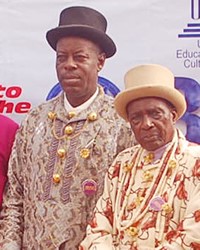
Photo Source:
Anonymous
|
Send Joshua Project a map of this people group.
|
| People Name: | Obolo |
| Country: | Nigeria |
| 10/40 Window: | Yes |
| Population: | 357,000 |
| World Population: | 357,000 |
| Primary Language: | Obolo |
| Primary Religion: | Christianity |
| Christian Adherents: | 96.00 % |
| Evangelicals: | 34.00 % |
| Scripture: | Complete Bible |
| Ministry Resources: | Yes |
| Jesus Film: | Yes |
| Audio Recordings: | Yes |
| People Cluster: | Benue |
| Affinity Bloc: | Sub-Saharan Peoples |
| Progress Level: |

|
Introduction / History
The Obolo, also known as Andoni, are an indigenous Niger Delta people whose name historically refers to a patriarch, his descendants, their land and language in the eastern Niger Delta, now spanning parts of Rivers and Akwa Ibom States. Their homeland lies among riverine islands and coastal creeks where fishing has long been central to life. Traditional political unity was challenged by colonial and state boundary changes, but culturally the Obolo remain one people. Their language is also called Obolo.
What Are Their Lives Like?
The Obolo make their living primarily through fishing and related activities, drawing on the rich waters of the delta. Many also farm and trade goods with neighboring groups. Family life centers on extended households where elders guide social life and children learn fishing, farming, and local customs. Annual celebrations include the Nwantam masquerade on January 1 and the Ijok?Irin fishing festival in July, when fishermen return with abundant catches in synchronized net casting by canoe. Traditional foods reflect the riverine environment with fish, smoked and fresh, accompanied by staples from nearby hinterlands.
What Are Their Beliefs?
Historically, the Obolo followed ancestral and traditional religious systems centered on deities like Yok?Obolo and community rites. Today most Obolo identify as Christian and have woven the Christian faith deeply into their culture, though some still honor and worship local spiritual traditions alongside church life. Christianity among them includes many denominations with congregations active across Obolo land.
What Are Their Needs?
Obolo communities continue to face economic pressures as oil pollution and limited infrastructure hinder fishing livelihoods and overall development. Many are hungry for deeper discipleship and mature local leadership that anchors daily decisions in biblical truth. Despite significant Christian presence, there remains a need for solid church structures rooted in Christ that can address both spiritual growth and community wellbeing. Partnerships that respect Obolo culture and empower local believers to minister effectively are crucial.
Prayer Points
Pray that Obolo believers would grow strong in their faith, relying on Jesus as the source of wisdom and unity.
Pray that churches would be centers of grace, mercy, and truth transforming families and community life.
Pray asking God to raise leaders who are rooted in scripture and passionate to reach every Obolo with the gospel.
Pray for physical flourishing: restoration of productive livelihoods, protection from environmental harm, and peace that only Christ can give.