Montol in Nigeria
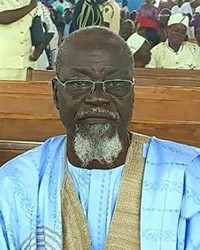
Photo Source:
Anonymous
|
Send Joshua Project a map of this people group.
|
| People Name: | Montol |
| Country: | Nigeria |
| 10/40 Window: | Yes |
| Population: | 47,000 |
| World Population: | 47,000 |
| Primary Language: | Tehl |
| Primary Religion: | Ethnic Religions |
| Christian Adherents: | 25.00 % |
| Evangelicals: | 6.00 % |
| Scripture: | Portions |
| Ministry Resources: | Yes |
| Jesus Film: | Yes |
| Audio Recordings: | Yes |
| People Cluster: | Chadic |
| Affinity Bloc: | Sub-Saharan Peoples |
| Progress Level: |

|
Introduction / History
The Montol people inhabit the Jos Plateau region of Plateau State in central Nigeria, where they have maintained a distinct ethnic and cultural identity for generations. They speak the Montol language, which belongs to the Afro-Asiatic language family and is primarily spoken within their traditional homeland. The Montol have deep roots in their local area, with their settlement patterns and social structures reflecting centuries of adaptation to the plateau's climate and geography. Like many plateau communities, the Montol have experienced contact with neighboring ethnic groups, trade networks, and missionary activity, all of which have shaped their contemporary society.
What Are Their Lives Like?
The Montol are predominantly farmers who cultivate crops suited to the Jos Plateau's elevation and weather patterns. Agriculture forms the backbone of their economy, with families tending plots of land that have often belonged to their lineages for many generations. Alongside farming, some Montol engage in small-scale trading, craftsmanship, and other informal economic activities typical of rural Nigerian communities.
Family life centers on extended kinship networks. The household typically includes parents, children, and often grandparents or other relatives, with decisions about land, marriage, and community matters made within these broader family structures. Respect for elders is a central value, and they serve as custodians of cultural knowledge, dispute resolution, and spiritual guidance.
Community gatherings and festivals mark the rhythm of Montol life. These occasions bring families together for celebration, the reinforcement of social bonds, and the transmission of cultural practices to younger generations. Daily life follows the agricultural calendar, with seasons of planting, tending crops, and harvest shaping work patterns and social activity. Market days serve as important meeting points where people exchange goods, news, and social connection.
What Are Their Beliefs?
The Montol identify primarily with Christianity, a faith that took root in their region through missionary work and has become woven into community identity. However, in common with many African Christian communities, elements of traditional religious beliefs and practices persist alongside Christian profession. These may include respect for sacred sites, ancestral acknowledgment, and reliance on traditional healers or diviners for certain needs, reflecting a syncretic approach to spirituality that blends Christian and indigenous worldviews.
What Are Their Needs?
The spiritual needs of the Montol center on deepening biblical understanding and moving toward a more integrated Christian faith that addresses the complexities of living out gospel values in their cultural context. Many Montol believers would benefit from teaching that addresses how Christian conviction relates to traditional practices, helping them navigate their identity as both Montol and followers of Christ.
Beyond spiritual dimensions, the Montol face practical needs common to rural plateau communities. Educational access remains limited, particularly at secondary and tertiary levels, which constrains economic opportunity for young people. Healthcare infrastructure is sparse, and distance from medical facilities affects maternal health, child welfare, and treatment of preventable diseases. Clean water and improved sanitation remain challenges in many settlements. Economic diversification beyond agriculture would provide greater resilience and opportunity, particularly as climate variability affects crop yields.
Prayer Points
Pray that the Montol church would mature in biblical faith and discernment, helping believers understand scripture deeply and navigate questions about how Christian conviction speaks to their cultural context and heritage.
Pray that young Montol believers would be called and equipped to become pastors, teachers, and evangelists, taking the gospel both within their own communities and to neighboring peoples who have less access to Christian witness.
Pray that educational opportunities would expand for Montol children and youth, opening pathways to greater economic security and enabling them to contribute more fully to their communities.
Pray that healthcare access would improve, particularly for mothers and young children, and that traditional and modern medicine would be integrated wisely to address the health challenges facing Montol communities.
Pray that the Montol would experience the transforming power of the gospel in ways that affirm their cultural identity while calling them to alignment with Christ's kingdom and values.