Becheve in Cameroon
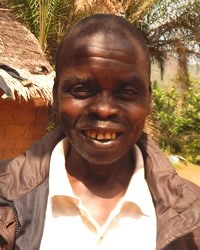
Photo Source:
Akonam Chybuikem Richards
|
Send Joshua Project a map of this people group.
|
| People Name: | Becheve |
| Country: | Cameroon |
| 10/40 Window: | No |
| Population: | 18,000 |
| World Population: | 22,600 |
| Primary Language: | Iceve-Maci |
| Primary Religion: | Ethnic Religions |
| Christian Adherents: | 35.00 % |
| Evangelicals: | 10.00 % |
| Scripture: | Portions |
| Ministry Resources: | Yes |
| Jesus Film: | Yes |
| Audio Recordings: | Yes |
| People Cluster: | Benue |
| Affinity Bloc: | Sub-Saharan Peoples |
| Progress Level: |

|
Introduction / History
The Becheve people live in the forested highlands along the border region between southwestern Cameroon and southeastern Nigeria. In Cameroon, they are found primarily in the Manyu Division of the Southwest Region, an area marked by thick tropical forests, rolling hills, and numerous rivers. Their communities are often situated in rural settings where the land remains central to identity and survival.
The Becheve speak a Bendi language that is closely related to other languages in the Cross River cluster. This linguistic heritage connects them historically and culturally to neighboring groups across the border in Nigeria. Oral tradition plays a significant role in preserving their history. Stories of migration, clan origins, and ancestral settlements are passed down through generations, reinforcing a sense of belonging and continuity.
Historically, the Becheve have lived in small, kinship-based villages governed by traditional leaders and councils of elders. Their social structures emphasize lineage and respect for age. Colonial rule, first under Germany and later under Britain and France in different parts of Cameroon, introduced administrative changes, Christianity, and new economic patterns. Despite outside influences, the Becheve have retained strong cultural customs, including traditional festivals, music, and systems of customary law.
Cross-border relationships with related ethnic groups have shaped Becheve identity. Trade, intermarriage, and shared cultural expressions continue to tie them to the broader Bendi-speaking world. While modern political boundaries divide communities, cultural connections remain vibrant.
What Are Their Lives Like?
Life among the Becheve revolves around agriculture and the rhythms of the forest. Families cultivate crops such as cassava, cocoyams, plantains, maize, and vegetables. Small-scale farming provides food for daily consumption, and surplus produce may be sold in local markets. Cocoa and other cash crops can also contribute to household income, depending on access to land and markets.
Homes are typically built from local materials, including wood, mud, and corrugated metal roofing. Villages are organized around extended family compounds, reflecting the importance of kinship ties. Social life centers on family gatherings, farming activities, church meetings, and community events.
Marriage strengthens alliances between families, and children are considered a blessing and a sign of continuity. From an early age, young people participate in household chores and agricultural work. Elders hold respected positions as custodians of tradition and mediators in disputes.
Access to education has increased over time, but challenges remain in rural areas. Schools may be under-resourced, and economic pressures sometimes limit how long children remain in formal education. Healthcare facilities can also be distant, with limited equipment and personnel. Poor road conditions, especially during the rainy season, can make travel difficult and restrict economic growth.
At the same time, Becheve communities demonstrate resilience and adaptability. Cultural festivals, traditional dances, and communal labor projects strengthen social bonds. Churches in many villages serve not only as places of worship but also as centers for community life and moral instruction.
What Are Their Beliefs?
The Becheve are largely identified with Christianity, the result of decades of missionary engagement and local evangelistic efforts. Various Christian denominations are present, and church participation plays a visible role in community life. Sunday worship services, prayer meetings, and church-sponsored events are common features of village life.
Although Christianity is widespread, elements of traditional belief systems may continue to influence worldview and practice. Respect for ancestors and concern about spiritual forces are woven into cultural memory. In times of crisis, some individuals may feel tension between biblical teaching and traditional explanations for illness or misfortune.
What Are Their Needs?
Economic development that strengthens sustainable agriculture and market access would enhance family stability and reduce vulnerability to hardship. Improved infrastructure, including reliable roads and clean water systems, would ease daily burdens and support long-term progress. Expanded educational opportunities and well-equipped health services would contribute significantly to community well-being.
Spiritually, deeper discipleship is crucial so that faith in Christ moves beyond cultural identity to heartfelt commitment and obedience. Strong biblical teaching in the Becheve language would nurture understanding and guard against syncretism. Leadership training for pastors and lay leaders would equip them to shepherd congregations faithfully and to address social and spiritual challenges with wisdom rooted in Scripture.
The Becheve church is positioned to look outward as well as inward. With encouragement and vision, believers can become part of the wider mission of God, sharing the gospel with neighboring peoples who remain less reached. A growing burden for the nations would transform local congregations into active participants in the global discipleship force.
Prayer Points
Pray that the Becheve church will grow in spiritual depth, rooted firmly in the Word of God and empowered by the Holy Spirit.
Ask the Lord to raise up godly leaders who will preach Christ faithfully and disciple believers with patience and courage.
Intercede for families facing economic uncertainty, asking God to bless agricultural efforts and provide opportunities that bring stability and dignity.
Pray for improved healthcare and education so that children and vulnerable members of the community can flourish.
Seek God's protection over believers as they navigate the tension between traditional practices and biblical truth, that the supremacy of Jesus Christ will be clearly understood and joyfully embraced.
May the Becheve become a sending people, carrying the mercy and hope of Christ to neighboring ethnic groups who still wait to hear the good news.