Manja in Central African Republic
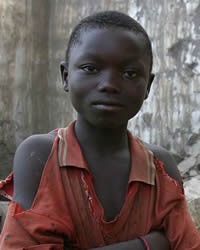
Photo Source:
hdptcar - Flickr
Creative Commons
|
Send Joshua Project a map of this people group.
|
| People Name: | Manja |
| Country: | Central African Republic |
| 10/40 Window: | No |
| Population: | 338,000 |
| World Population: | 354,000 |
| Primary Language: | Mandja |
| Primary Religion: | Christianity |
| Christian Adherents: | 94.50 % |
| Evangelicals: | 46.00 % |
| Scripture: | Portions |
| Ministry Resources: | No |
| Jesus Film: | Yes |
| Audio Recordings: | Yes |
| People Cluster: | Ubangian |
| Affinity Bloc: | Sub-Saharan Peoples |
| Progress Level: |

|
Introduction / History
The Manja people live primarily in the western regions of the Central African Republic and belong to the larger Gbaya cultural and linguistic family. Their history reflects centuries of movement and settlement across the savanna regions of Central Africa. Communities developed around agriculture and local trade networks, maintaining relationships with neighboring ethnic groups through commerce and marriage. Colonial and national political changes influenced their social structures, but many traditional customs remain important aspects of their identity.
What Are Their Lives Like?
Manja communities are often centered in rural villages where extended families live near one another and cooperate in agricultural work. Farming is the primary livelihood, with families cultivating staple crops and maintaining small livestock. Daily life includes farming, food preparation, community gatherings, and participation in local markets. Elders are respected for their wisdom and guidance, and cultural traditions such as storytelling and music continue to shape social life. Churches are common gathering places and often provide opportunities for fellowship and teaching.
What Are Their Beliefs?
Christianity has spread widely among the Manja people, and most identify with local churches. Biblical teaching, prayer, and community worship are part of regular life for many families. Nevertheless, elements of traditional spiritual beliefs remain present, especially concerning ancestral influence or protection from spiritual harm. Faith in the spirit world poses a challenge to pure faith in Jesus Christ.
What Are Their Needs?
Manja believers benefit from ongoing biblical teaching that strengthens their understanding of the gospel and helps them apply Scripture in everyday life. Leadership development within local churches can help equip pastors and lay leaders to guide their communities effectively. Practical improvements in agriculture, education, and healthcare can also strengthen families and villages. As faith communities mature, many Manja Christians may become active participants in sharing the hope of Christ with other peoples who have not yet heard the gospel clearly.
Prayer Points
Pray that Manja believers will grow in strong and vibrant faith rooted in the teachings of the Bible.
Ask God to develop wise and compassionate leaders within the churches who will challenge them to disciple others, even those outside their ethnic community.
Pray that families will experience stability, health, and opportunities for education.
Ask that the message of Jesus Christ will continue to transform lives and inspire believers to serve others with humility and love.