Kimbundu in Angola
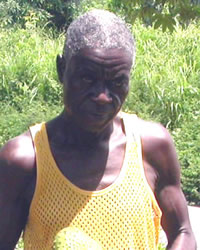
Photo Source:
Scamperdale - Flickr
Creative Commons
|
Send Joshua Project a map of this people group.
|
| People Name: | Kimbundu |
| Country: | Angola |
| 10/40 Window: | No |
| Population: | 9,566,000 |
| World Population: | 9,600,000 |
| Primary Language: | Kimbundu |
| Primary Religion: | Christianity |
| Christian Adherents: | 97.30 % |
| Evangelicals: | 22.46 % |
| Scripture: | Complete Bible |
| Ministry Resources: | Yes |
| Jesus Film: | Yes |
| Audio Recordings: | Yes |
| People Cluster: | Bantu, Northwest |
| Affinity Bloc: | Sub-Saharan Peoples |
| Progress Level: |

|
Introduction / History
The Kimbundu language, also known as Mbundu or North Mbundu, is a Bantu language spoken primarily in the northwestern regions of Angola, including Luanda, Bengo, and Malanje provinces. It is the second-most widely spoken Bantu language in the country.
Historically, the Kimbundu-speaking people, known as the Ambundu or Mbundu, were organized into groups with loose political connections. In response to pressure from the Kongo Kingdom to the north, leadership among the Ambundu centered on the ngola (ruler) of the Ndongo people.
During the colonial era, a decree in 1919 prohibited the use of local languages in schools and administration, enforcing Portuguese as the official language. This policy significantly reduced the use of Kimbundu, especially in urban areas, a trend that persisted even after Angola's independence.
What Are Their Lives Like?
The Kimbundu people primarily reside in rural communities within the aforementioned provinces. Their livelihoods are traditionally based on agriculture, with many cultivating crops such as cassava, maize, and beans. Fishing and hunting also play roles in their subsistence.
In urban areas like Luanda, Kimbundu speakers have integrated into the broader Angolan society, often balancing traditional practices with modern influences. However, rural communities maintain a closer connection to their cultural heritage, including traditional ceremonies and social structures.
Education and healthcare access vary across regions. While urban centers offer more facilities, rural areas may face challenges related to infrastructure and services.
What Are Their Beliefs?
The Kimbundu people practice a blend of Christianity and African traditional religions. Christianity, introduced during colonial times, has become predominant, with many identifying as Roman Catholic or Protestant. However, elements of traditional beliefs, such as ancestor worship and the veneration of spirits, persist and are often integrated into Christian practices.
Traditional religious leaders, such as priests and healers, continue to hold influence in spiritual matters, guiding communities in rituals and ceremonies that honor ancestors and seek spiritual guidance.
What Are Their Needs?
Supporting education in the native language, especially in early learning, nurtures both literacy and cultural identity, strengthening the community's spiritual foundation. Addressing holistic well-being through improved healthcare and creating economic opportunities also supports the flourishing of Kimbundu people. Finally, preserving Kimbundu traditions, music, dance, and oral histories sustains the spiritual heritage that binds the community, ensuring faith and culture are passed on to future generations.
Prayer Points
Pray that portions of Scripture and gospel-centered evangelistic and discipleship materials are readily available, so that all Kimbundu speakers may access the Scriptures and deepen their faith.
Pray for Kimbundu believers to faithfully proclaim the gospel with love and compassion near and far.
Pray for the establishment of educational programs in Kimbundu to foster literacy and cultural pride among the youth, thereby strengthening their spiritual and cultural identity.
Pray for economic development initiatives that provide sustainable livelihoods, helping to alleviate poverty, create stability, and open doors for the gospel to spread.