Tzeltal, Bachajon in Mexico
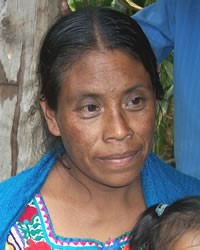
Photo Source:
Anonymous
|
Send Joshua Project a map of this people group.
|
| People Name: | Tzeltal, Bachajon |
| Country: | Mexico |
| 10/40 Window: | No |
| Population: | 185,000 |
| World Population: | 185,000 |
| Primary Language: | Tzeltal |
| Primary Religion: | Christianity |
| Christian Adherents: | 95.00 % |
| Evangelicals: | 30.00 % |
| Scripture: | Complete Bible |
| Ministry Resources: | Yes |
| Jesus Film: | Yes |
| Audio Recordings: | Yes |
| People Cluster: | Maya |
| Affinity Bloc: | Latin-Caribbean Americans |
| Progress Level: |

|
Introduction / History
The Bachajon Tzeltal are a distinct subgroup of the Maya peoples living primarily in the community of Bachajón, in the highland region of Chiapas, southern Mexico. They are part of the broader Tzeltal ethnolinguistic group, whose roots trace back to the ancient Maya civilization. For centuries before Spanish colonization, their ancestors maintained complex social structures, agricultural systems, and spiritual traditions deeply tied to the land. The arrival of the Spanish in the 16th century brought forced labor systems, Catholic evangelization, and significant cultural transformation, yet many Indigenous structures endured beneath colonial influence.
Over time, the Bachajon Tzeltal developed a strong communal identity centered around family networks, traditional authorities, and local religious festivities. Their history includes both resilience and struggle—land disputes, marginalization, and limited political representation have shaped much of their modern experience. Despite outside pressures, they have preserved their language, dress, and community-based governance, reflecting a living continuity with their ancestral past.
What Are Their Lives Like?
Today, the Bachajon Tzeltal wear traditional clothing, especially handwoven garments, and the community celebrations continue to reflect Maya symbolism and worldview.
Most Bachajon Tzeltal live in rural villages where agriculture forms the backbone of daily life. Corn, beans, coffee, and small-scale livestock are common sources of sustenance and income. Economic opportunities are often limited, and many families experience poverty, seasonal employment instability, and restricted access to higher education. Migration to urban centers or other parts of Mexico sometimes supplements household income, though this can strain family and community ties.
Social life is highly communal. Extended families often live near one another, and community decisions may be made collectively through traditional leadership systems. Festivals, market days, and church events remain central gathering points. While modernization has introduced roads, mobile phones, and some public schooling, many villages still face challenges such as limited healthcare infrastructure and uneven educational resources.
What Are Their Beliefs?
Historically, the Bachajon Tzeltal practiced traditional Maya religion, centered on a worldview that sees the spiritual and physical realms as deeply interconnected. Nature, ancestors, and sacred locations play meaningful roles in community life. Ritual specialists may still be consulted for healing, protection, or agricultural blessing. These traditional beliefs emphasize harmony with creation and communal balance.
Following Spanish colonization, many Bachajon Tzeltal were incorporated into the structures of the Roman Catholic Church. Over time, Catholic doctrine blended with indigenous cosmology, resulting in syncretistic expressions of faith. Religious festivals often include elements that reflect both biblical themes and pre-Christian symbolism, illustrating centuries of cultural adaptation.
In recent decades, evangelical movements have grown within the region. Some believers emphasize personal conversion, Scripture reading, and discipleship distinct from traditional syncretistic practices. From an evangelical perspective, while many identify as Christian, there remains a need for deeper biblical teaching, leadership development, and contextualized discipleship that clearly communicates the gospel within their cultural framework. Community radio and Bible translations in their own language have increased access to Scripture, contributing to gradual shifts in religious understanding and discipleship.
What Are Their Needs?
Economically, many Bachajon Tzeltal communities face persistent poverty. Limited infrastructure, fluctuating agricultural markets, and restricted access to higher education create cycles of economic vulnerability. Sustainable development initiatives—such as improved farming techniques, fair trade opportunities, and vocational training—could significantly strengthen family stability and long-term resilience.
Socially, access to quality healthcare and education remains uneven, especially in more remote villages. Bilingual education that values both Spanish and their Indigenous language can help preserve identity while expanding opportunity. Strengthening local leadership, particularly among younger generations, may help bridge traditional community structures with modern civic participation.
Spiritually, from an evangelical perspective, there is a continuing need for mature local Christian leaders equipped to teach the Bible faithfully and shepherd congregations effectively. Although Christian resources such as translated Bibles are available, discipleship depth varies. Supporting indigenous pastors, fostering theological training within the culture, and encouraging believers to share their faith with neighboring less reached communities are often identified as key priorities.
Prayer Points
Pray that the Bachajon Tzeltal would continue to move from nominal or blended belief systems into a living faith in Jesus Christ, bearing fruit that transforms families and villages.
Pray that heartfelt followers of Christ who can serve as pastors, teachers, and missionaries to neighboring indigenous groups who still lack the hope of the gospel.
Pray that God would provide opportunities and wisdom for sustainable livelihoods and enhanced literacy, both in Spanish and Tzeltal, to aid communication of biblical truth and community health.