Afro-Honduran in Honduras
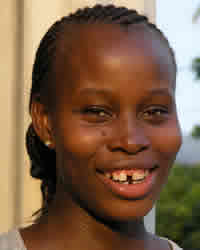
Photo Source:
Lon&Queta - Flickr
Creative Commons
|
Send Joshua Project a map of this people group.
|
| People Name: | Afro-Honduran |
| Country: | Honduras |
| 10/40 Window: | No |
| Population: | 215,000 |
| World Population: | 215,000 |
| Primary Language: | Spanish |
| Primary Religion: | Christianity |
| Christian Adherents: | 95.00 % |
| Evangelicals: | 21.00 % |
| Scripture: | Complete Bible |
| Ministry Resources: | Yes |
| Jesus Film: | Yes |
| Audio Recordings: | Yes |
| People Cluster: | Afro-American, Hispanic |
| Affinity Bloc: | Latin-Caribbean Americans |
| Progress Level: |

|
Introduction / History
The Afro-Hondurans are citizens of Honduras whose ancestry traces primarily to Africans brought during the trans-Atlantic slave trade, as well as to Afro-Indigenous groups such as the Garifuna. Enslaved Africans were introduced to the region during Spanish colonial rule beginning in the 16th century. Over time, African descendants formed distinct communities along Honduras's Caribbean coast.
A particularly important Afro-Honduran community is the Garifuna people, who arrived in Central America in the late 18th century after exile from the Caribbean island of St. Vincent. While Garifuna are a distinct ethnolinguistic group, they form a significant part of Afro-Honduran identity. Afro-Hondurans have contributed richly to Honduran culture through music, dance, cuisine, and language.
Despite cultural contributions, Afro-Hondurans have historically experienced social marginalization and economic inequality. Their coastal communities have often faced limited infrastructure development, land rights challenges, and vulnerability to natural disasters.
What Are Their Lives Like?
Most Afro-Hondurans live along the northern Caribbean coast in cities such as La Ceiba, Tela, and Puerto Cortés. Many families rely on fishing, tourism, small-scale commerce, and remittances from relatives working abroad.
Economic challenges remain significant. Coastal Afro-Honduran communities often experience higher poverty rates, fewer educational opportunities, and limited healthcare access compared to urban centers. Migration to the United States is common as families seek better economic prospects.
Culturally, Afro-Hondurans maintain strong musical and dance traditions, including Garifuna drumming and community festivals. Extended family networks and communal gatherings are central to social life, providing support systems amid economic hardship.
What Are Their Beliefs?
Religiously, most Afro-Hondurans identify as Christian. Historically influenced by both the Roman Catholic Church and Protestant missions, many communities today include a strong evangelical presence.
In some areas, traditional African-derived spiritual elements coexist with Christianity, particularly within Garifuna communities where ancestral reverence plays a cultural role. However, evangelical churches have grown steadily, emphasizing biblical teaching and personal conversion.
What Are Their Needs?
Afro-Honduran communities often face unemployment, limited job diversity, and vulnerability to hurricanes and climate change. Sustainable tourism, vocational training, and educational access are key areas for development.
Strengthening healthcare access, protecting land rights in coastal regions, and expanding educational opportunities are ongoing concerns. Youth mentorship programs can help counteract migration pressures and social instability.
While many identify as Christian, continued discipleship and training of indigenous church leaders are essential. Empowering Afro-Honduran believers to serve as pastors, teachers, and missionaries can strengthen churches and extend gospel outreach.
Prayer Points
Pray for economic stability and protection for coastal communities vulnerable to natural disasters.
Pray for strong, biblically grounded Afro-Honduran pastors, church leaders, and disciplers.
Pray for young people to find hope and purpose in Christ rather than feeling forced to migrate.
Pray that Afro-Honduran believers would become Christian workers who carry the gospel to unreached communities in Honduras and beyond.