Cua in Vietnam
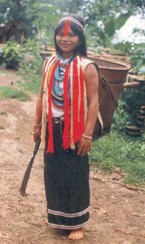
Photo Source:
Copyrighted © 2026
Asia Harvest All rights reserved. Used with permission |
Send Joshua Project a map of this people group.
|
| People Name: | Cua |
| Country: | Vietnam |
| 10/40 Window: | Yes |
| Population: | 42,000 |
| World Population: | 42,000 |
| Primary Language: | Cua |
| Primary Religion: | Ethnic Religions |
| Christian Adherents: | 10.00 % |
| Evangelicals: | 2.30 % |
| Scripture: | New Testament |
| Ministry Resources: | No |
| Jesus Film: | No |
| Audio Recordings: | Yes |
| People Cluster: | Mon-Khmer |
| Affinity Bloc: | Southeast Asian Peoples |
| Progress Level: |

|
Introduction / History
The Cua people, also known as the Co and by other names including Cor, Col, and Trau, represent one of Vietnam's smallest ethnic groups. As speakers of a Mon-Khmer language that belongs to the Austroasiatic language family, the Cua maintain linguistic connections with other indigenous peoples of Southeast Asia, particularly with the Khmer people of Cambodia. Their language, which uses Latin script, links them culturally and ethnically to a broader family of Mon-Khmer speaking peoples who have inhabited mainland Southeast Asia for thousands of years. Historians believe that the Cua are among the indigenous inhabitants of the Truong Son mountain range and the Central Highlands region, having settled in these areas long before the arrival of ethnic Vietnamese (Kinh) populations from the lowlands. The Cua are primarily found in the mountainous regions of central Vietnam, where geographic isolation has allowed them to maintain their distinct cultural identity and traditions despite centuries of external pressures and migrations.
What Are Their Lives Like?
Life for the Cua people centers on subsistence agriculture in the rugged mountain terrain of central Vietnam. The Cua traditionally practice upland rice cultivation, a farming method adapted to their highland environment, supplemented by hunting, fishing, and the collection of forest products. In areas bordering other ethnic groups such as the Hre people, some Cua have learned neighboring languages to facilitate trade and exchange. The vast majority of Cua people also speak Vietnamese, enabling them to interact with the dominant ethnic group. Housing among the Cua follows highland architectural traditions, with families living in stilt houses designed to accommodate the mountainous landscape and provide protection from the elements. Village life remains organized around kinship networks and community leadership, with each village typically having respected elders who guide community decisions and maintain social order. The Cua maintain cultural practices, including traditional music featuring three-piece gongs and drums that are central to community celebrations and festivals. Education levels remain limited, reflecting broader challenges facing ethnic minorities in Vietnam's rural highlands, where geographic distance to schools and economic pressures make school attendance difficult for many children.
What Are Their Beliefs?
The Cua people follow ethnic religions centered on shamanism, ancestor veneration, and the worship of spirits found in the natural world around them. Traditional spiritual beliefs guide many aspects of daily life, including agricultural cycles and community events. Religious ceremonies, often performed by village shamans, mark important moments in the community calendar, particularly rituals connected to the agricultural seasons. Buffalo sacrifice ceremonies represent significant festivals in the Cua calendar, serving both religious and social functions within village life. The Cua show openness to spiritual matters and demonstrate reverence for the transcendent, seeking divine blessing and protection through their traditional practices. While ethnic religions remain dominant among the Cua, some limited Christian presence exists within the population, though the majority still follow their ancestral beliefs.
What Are Their Needs?
Access to quality education stands as a critical need for the Cua people. Distance to secondary schools often requires students to travel many kilometers, and cultural limitations sometimes restrict educational opportunities for girls. Limited formal education perpetuates cycles of poverty and reduces economic opportunities for young Cua people entering the workforce.
Healthcare access remains inadequate in Cua communities, with limited medical facilities and trained health workers serving the mountain villages. The combination of geographic isolation and economic constraints means that preventive care and treatment for common illnesses often remain beyond the reach of many Cua families.
Economic development has largely bypassed Cua communities, leaving most families dependent on subsistence agriculture that provides minimal surplus for sale or trade. Land tenure remains uncertain for many Cua families, as government policies regarding land allocation have been inconsistently applied, creating insecurity about their ability to continue farming their traditional territories.
Clean water and sanitation infrastructure remain absent in many Cua villages, contributing to health problems and hindering quality of life. Roads connecting Cua communities to market centers and government services are often poorly maintained, isolating villages and limiting access to economic opportunities.
Prayer Points
Pray that the Cua people would encounter Jesus Christ and understand his offer of salvation through faith in His sacrifice.
Ask the Lord to raise up workers who can share the gospel in the Cua language, addressing both their spiritual hunger and their desire for truth.
Intercede for the opening of doors for Christian workers to live and minister among Cua communities, overcoming government restrictions and cultural barriers.
Pray for the multiplication of Cua believers who could become gospel workers among unreached ethnic groups.
Cry out to God for transformation in Cua villages through the power of the gospel, asking that communities would experience spiritual awakening and turn from idolatry to worship the living God.
Lift up the children of Cua communities, praying that they would receive quality education and that Christian teachers might be placed in schools to model Christ's love and share biblical truth.
Intercede for improved health and living conditions among the Cua, asking the Lord to provide access to clean water, medical care, and economic opportunities that would alleviate physical suffering.