Chuave, Tjuave in Papua New Guinea
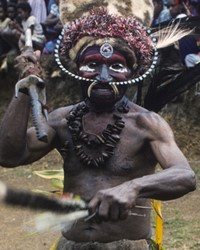
Photo Source:
Anonymous
|
Send Joshua Project a map of this people group.
|
| People Name: | Chuave, Tjuave |
| Country: | Papua New Guinea |
| 10/40 Window: | No |
| Population: | 56,000 |
| World Population: | 56,000 |
| Primary Language: | Chuave |
| Primary Religion: | Christianity |
| Christian Adherents: | 99.00 % |
| Evangelicals: | 20.00 % |
| Scripture: | New Testament |
| Ministry Resources: | Yes |
| Jesus Film: | No |
| Audio Recordings: | Yes |
| People Cluster: | New Guinea |
| Affinity Bloc: | Pacific Islanders |
| Progress Level: |

|
Introduction / History
The Chuave (often spelled Tjuave in some contexts) are an indigenous people of Chimbu (Simbu) Province and parts of adjacent Eastern Highlands Province in Papua New Guinea. Their homeland lies in the rugged highland valleys and ridge lands that characterize much of the interior of the island, with communities historically organized around extended clans, reciprocal social systems, and subsistence horticulture. The Chuave language is classified within the Chimbu–Wahgi branch of the Trans-New Guinea language family, reflecting deep linguistic roots among highland societies and a shared cultural heritage across neighboring language groups.
What Are Their Lives Like?
Daily life among the Chuave revolves around extended family and clan networks that guide cooperation, land use, and mutual support. Subsistence agriculture is central, with gardens producing staples such as sweet potatoes, taro, yams, and leafy greens on steep slopes and terraced fields. Pigs remain culturally significant and are often involved in ceremonial exchange, bride wealth, and social status. Social life revolves around cooperative work, seasonal gatherings, traditional music, and communal feasting, with children learning both tribal languages and Tok Pisin, which connects them to wider social and economic life. Traditional values of respect for elders and collective responsibility continue to shape community interaction and decision-making.
What Are Their Beliefs?
Christianity is the predominant religious identity among the Chuave people, and most participate in church life through congregational worship, teaching, and fellowship. Portions of Scripture, including the New Testament in related highland languages, are available and used in church and personal study, supporting spiritual growth. Traditional spiritual beliefs and ceremonial customs historically centered on ancestral spirits and explanations of unseen forces continue to influence cultural perspectives for some, particularly in matters of healing, community protection, and rites of passage. Yet the dominant religious framework for many Chuave today is Christian, with churches playing central roles in community identity and moral teaching.
What Are Their Needs?
Despite a strong Christian presence, many Chuave believers would benefit from deeper biblical discipleship that connects Scripture to everyday life, family relationships, and decision-making in the context of cultural heritage. Local pastors, teachers, and lay leaders need ongoing training and encouragement to build healthy churches grounded in scripture. Ministries that engage youth and families with relevant teaching and community support strengthen faith across generations. With a significant church presence, Chuave believers also have opportunity to participate in gospel witness among neighboring peoples who have limited access to Scripture.
Prayer Points
Pray that Chuave believers will grow in a deep, practical understanding of scripture that shapes their homes and communities.
Pray for local pastors and church leaders to be equipped with wisdom, spiritual insight, and pastoral care skills.
Pray for unity and peace within families and clans, reflecting Christ's reconciling love.
Pray for the youth to be firmly grounded in faith and to serve as ambassadors of Christ in society.
Pray that Chuave Christians will be encouraged and empowered to share the gospel with neighboring groups who have limited access to Scripture.