Chipewyan in Canada
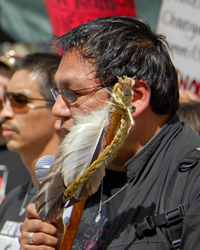
Photo Source:
Visible Hand - Flickr
Creative Commons
|
Send Joshua Project a map of this people group.
|
| People Name: | Chipewyan |
| Country: | Canada |
| 10/40 Window: | No |
| Population: | 14,000 |
| World Population: | 14,000 |
| Primary Language: | Dene |
| Primary Religion: | Christianity |
| Christian Adherents: | 96.00 % |
| Evangelicals: | 25.00 % |
| Scripture: | New Testament |
| Ministry Resources: | No |
| Jesus Film: | Yes |
| Audio Recordings: | Yes |
| People Cluster: | North American Indigenous |
| Affinity Bloc: | North American Peoples |
| Progress Level: |

|
Introduction / History
The Chipewyan, also known as the Dënes????ne or Denesuline, are an Indigenous people historically living across the northern boreal forests and into the tundra regions of western and northern Canada. Their traditional territory stretched between major lake systems and river networks, with communities long accustomed to traveling great distances in response to seasonal changes. Historically semi?nomadic, they organized into small, mobile bands that followed the movements of caribou and other game. Over time, contact with fur traders introduced new goods and relationships, but the Chipewyan retained strong ties to their land, language, and extended family networks.
What Are Their Lives Like?
Chipewyan daily life has long been shaped by the northern environment. Traditionally, families traveled seasonally to hunt caribou, fish the lakes and rivers, and gather plants essential for survival. Caribou provided food, clothing, tools, and material for shelter, while fish and small game supplemented their diet. Their homes were often portable structures, reflecting the need to adapt to shifting seasons and resources.
Canoes, snowshoes, and sleds enabled travel across waterways and snowy terrain. Communities were typically organized around extended kinship groups, with decisions shaped cooperatively and guided by respected elders or skilled hunters. Oral tradition remains central to cultural transmission, with stories and teachings passed down to preserve identity and memory. Though many communities are more settled today, hunting, fishing, and land?based skills continue to hold cultural significance.
What Are Their Beliefs?
Christianity is a recognized religious identity among the Chipewyan, shaping aspects of community life today. Older belief systems included respect for spiritual forces associated with the land, animals, and natural cycles. These traditions often emphasized gratitude for the resources provided and recognition of unseen forces connected to survival in a northern environment. Because reports on traditional beliefs can vary, it is best to describe them cautiously and without romanticizing or affirming them as spiritually beneficial. True spiritual transformation comes only through Jesus Christ.
Information about available Scripture in the Chipewyan language (Denesuline) is not clearly confirmed in accessible sources, so no firm statement about translation status is made here.
What Are Their Needs?
Chipewyan communities would benefit from continued discipleship opportunities rooted in God's Word. Many families face challenges related to geographic isolation, shifting economic conditions, and generational pressures that can strain traditional structures and values. Clear biblical teaching, strong local leadership, and healthy fellowship within the church can help bring stability and hope.
There is ongoing need for resources that support engagement with Scripture in the heart language where available. Strengthening families, encouraging young people, and nurturing believers who can live out and share their faith are important steps for long?term growth.
Prayer Points
Pray for spiritual growth among Chipewyan believers and for deep, sustained engagement with God's Word.
Pray for wise, loving leaders within their communities who can guide with humility and faithfulness.
Pray for Chipewyan families to remain strong in Christ as they navigate cultural changes and daily challenges.
Pray that Chipewyan Christians will share the hope of Jesus with communities in Canada that lack an adequate gospel witness.