Beami, Bedamuni in Papua New Guinea
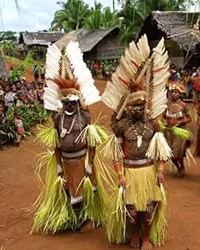
Photo Source:
Anonymous
|
Send Joshua Project a map of this people group.
|
| People Name: | Beami, Bedamuni |
| Country: | Papua New Guinea |
| 10/40 Window: | No |
| Population: | 15,000 |
| World Population: | 15,000 |
| Primary Language: | Bedamuni |
| Primary Religion: | Christianity |
| Christian Adherents: | 95.00 % |
| Evangelicals: | 27.00 % |
| Scripture: | Complete Bible |
| Ministry Resources: | Yes |
| Jesus Film: | Yes |
| Audio Recordings: | Yes |
| People Cluster: | New Guinea |
| Affinity Bloc: | Pacific Islanders |
| Progress Level: |

|
Introduction / History
The Bedamuni, (AKA, Beami or Mougulu people), live in the remote interior lowlands of Papua New Guinea, particularly in areas of Western Province and neighboring regions near the borderlands of the Southern Highlands. Their communities are located in forested valleys and river systems that are part of the broader Bosavi cultural region. The Bedamuni speak the Bedamuni language, a Papuan language belonging to the Trans–New Guinea language family within the Bosavi subgroup.
For generations the Bedamuni have maintained a distinct cultural identity shaped by their environment, language, and strong kinship networks. The region where they live is characterized by dense rainforest, rivers, and isolated settlements, which has historically limited outside contact and helped preserve their cultural traditions. Mission and translation work in the region eventually led to the development of a written form of the Bedamuni language and the translation of scripture.
What Are Their Lives Like?
Bedamuni communities are generally organized around small villages where extended families live near one another and share responsibilities for daily life. Gardening is a major part of their livelihood, with families cultivating staple crops in forest gardens. Hunting, fishing, and gathering forest resources also contribute to the household diet and reflect deep knowledge of the surrounding rainforest environment.
Social life is built around family relationships and cooperation between households. Members of the community work together to plant gardens, construct homes, and support one another during important events or gatherings. The forest and river systems around their villages shape transportation and travel, and footpaths often connect communities across the region.
The Bedamuni language remains central to cultural identity and daily communication. In addition to their own language, many people also use Tok Pisin when interacting with neighboring groups or when traveling outside their local communities.
What Are Their Beliefs?
Most Bedamuni people identify with Christianity, and church life plays an important role in many communities. Christian worship, teaching, and fellowship help guide family life and moral values within villages.
Earlier generations held traditional beliefs involving spiritual forces and the influence of unseen powers within the natural world. In some settings, elements of these traditional understandings may still influence how people interpret illness, misfortune, or protection. Continued biblical teaching and discipleship help believers grow in a clear understanding of the gospel and the saving work of Jesus Christ alone.
The complete Bible has been translated into the Bedamuni language, allowing believers to read and hear God's word in their own heart language.
What Are Their Needs?
The Bedamuni people benefit from continued discipleship that strengthens believers in their knowledge of Scripture and their daily walk with Christ. Churches grow stronger when pastors and local leaders receive training and encouragement in faithful biblical teaching.
Because many villages are in remote areas, ongoing access to Christian teaching materials and opportunities for leadership development can help strengthen the spiritual life of the churches. Encouraging younger believers to grow in faith and leadership will help ensure that the gospel continues to be shared within Bedamuni communities and beyond.
Alongside spiritual needs, improvements in education, healthcare, and sustainable livelihoods can also support the long-term well-being of families living in this remote region.
Prayer Points
Pray that Bedamuni believers will grow in spiritual maturity and develop a deep love for the word of God.
Pray for pastors and church leaders to be strengthened with wisdom and faithfulness as they shepherd their congregations.
Pray that families and young people will follow Jesus Christ wholeheartedly and build strong Christian homes.
Pray that the churches among the Bedamuni will remain united and active in sharing Christ with peoples who lack an adequate gospel witness.