Bahnar in Vietnam
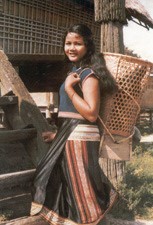
Photo Source:
Copyrighted © 2026
Asia Harvest All rights reserved. Used with permission |
Send Joshua Project a map of this people group.
|
| People Name: | Bahnar |
| Country: | Vietnam |
| 10/40 Window: | Yes |
| Population: | 302,000 |
| World Population: | 302,000 |
| Primary Language: | Bahnar |
| Primary Religion: | Ethnic Religions |
| Christian Adherents: | 16.00 % |
| Evangelicals: | 13.65 % |
| Scripture: | Complete Bible |
| Ministry Resources: | Yes |
| Jesus Film: | Yes |
| Audio Recordings: | Yes |
| People Cluster: | Mon-Khmer |
| Affinity Bloc: | Southeast Asian Peoples |
| Progress Level: |

|
Introduction / History
The Bahnar (also spelled Ba Na) are an indigenous ethnic people group of Vietnam, primarily living in the Central Highlands provinces of Gia Lai and Kon Tum, and in parts of Bình --nh and Phú Yên. They speak the Bahnar language, which belongs to the Mon-Khmer (Austroasiatic) language family. Their self-name roughly means "mountain people."
For centuries, the Bahnar have lived in village communities, co-existing and trading with neighboring groups such as the Cham and Jarai. Their history is deeply rooted in the upland forests and river valleys of central Vietnam, and they have maintained many cultural traditions even as surrounding societies have changed.
What Are Their Lives Like?
Bahnar life centers on agriculture, community, and family. Most households live in villages called plei, often near rivers and forest land. Traditional homes are built on stilts from bamboo and wood, suited to the highland environment. At the heart of many villages stands a rong, a tall communal house with a peaked roof that serves as the center of social, cultural, and ceremonial life.
Family roles are important. While modern influences are growing, extended family connections remain strong, and elders are respected leaders in village decision-making. Children learn many skills — including traditional crafts — from older community members. The Bahnar primarily grow rice and other crops such as maize, sweet potatoes, and millet. They raise livestock, farm vegetable gardens, and often cultivate cash crops like indigo, hemp, or tobacco. Trading with lowland markets and small local businesses also contributes to family income. The rong house is the focus for festivals and community gatherings. Traditional brocade weaving is a valued craft; patterns often carry stories of daily life and community identity. Music — particularly gong ensembles — accompanies seasonal and life-cycle celebrations. Daily meals are often simple — rice with vegetables and locally grown food. During special occasions or when welcoming guests, rice wine may be shared in communal celebration.
What Are Their Beliefs?
The Bahnar historically practiced animist and polytheistic religions, believing in spiritual forces that live in nature, ancestors, and community threats or blessings. Certain trees and natural sites were seen as sacred, and rituals marked important life events.
In modern times, Christianity has grown significantly among the Bahnar. Many have embraced Christian faith communities, and church life is increasingly part of Bahnar identity in some regions. This shift has brought both spiritual renewal and social challenges, especially where Christian believers face misunderstanding or resistance. Still the majority adhere to traditional religion.
What Are Their Needs?
The Bahnar face important physical needs. Many live in rural areas where access to quality healthcare, education beyond primary school, and stable economic opportunities remains limited. Infrastructure improvements such as roads, clean water, and education access would strengthen family health and prospects for youth.
Their spiritual needs are significant. Although many Bahnar have become Christians, others still follow traditional spiritual practices or blend beliefs. There is a need for meaningful discipleship, Bible translation, and community ministry that honors cultural identity while pointing people clearly to the Lord Jesus Christ. Training local leaders and providing Scripture in the Bahnar language will help communities grow in Christian faith and practice.
Prayer Points
Pray that Bahnar believers would grow strong in their faith and become effective disciples and leaders in their communities.
Pray for improved access to education, healthcare, and stable livelihoods for Bahnar families.
Pray for effective translation of discipleship materials into the Bahnar language so individuals can understand God's truth in their heart language.
Pray for widespread use of the JESUS Film and gospel recordings that are already available in the local language.
Pray for peace and reconciliation in areas where traditional beliefs and Christian faith intersect, that the love of Christ would transform lives and relationships.