Bahinemo, Inaru in Papua New Guinea
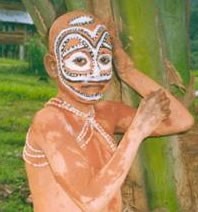
Photo Source:
Anonymous
|
Send Joshua Project a map of this people group.
|
| People Name: | Bahinemo, Inaru |
| Country: | Papua New Guinea |
| 10/40 Window: | No |
| Population: | 1,400 |
| World Population: | 1,400 |
| Primary Language: | Bahinemo |
| Primary Religion: | Christianity |
| Christian Adherents: | 90.00 % |
| Evangelicals: | 26.00 % |
| Scripture: | New Testament |
| Ministry Resources: | No |
| Jesus Film: | No |
| Audio Recordings: | Yes |
| People Cluster: | New Guinea |
| Affinity Bloc: | Pacific Islanders |
| Progress Level: |

|
Introduction / History
The Bahinemo people live in the Hunstein Range of Papua New Guinea's East Sepik Province, in the Ambunti district south of the Sepik River. Their settlements are generally small, located in forested highlands accessible by footpaths. The Bahinemo speak the Bahinemo language, part of the Sepik Hill branch of the Sepik language family.
Their history reflects deep connection to the land, with long-standing patterns of subsistence, craftsmanship, and ceremonial traditions shaped by their environment and kinship networks.
What Are Their Lives Like?
Bahinemo families typically rely on gardening, hunting, and foraging in the rugged mountains surrounding their villages. Homes are grouped in clusters, sometimes with a men's ceremonial house that serves as a cultural and social anchor.
Daily life involves tending gardens, gathering forest products, and participating in community work. Items such as net bags, carved wooden bowls, decorated hooks, and drums are part of everyday life and ceremonial expression. Community rhythms may include storytelling, exchanges between families, and gatherings that reinforce relationships and shared identity.
Although some outside influences have entered the region, many Bahinemo customs continue in familiar forms passed down through generations.
What Are Their Beliefs?
The Bahinemo people are broadly associated with Christianity, though some individuals also express beliefs involving trust in spiritual forces connected to the natural world. Such beliefs may include reverence for unseen powers perceived to influence well-being, protection, or success in daily tasks. These practices reflect sincere faith expressed through traditional frameworks.
Christian teaching is present among them, and worship gatherings or fellowship groups contribute to community life. When scripture is available and used, it provides opportunities for growth in understanding and encourages trust in Jesus Christ above all other powers. Because outside sources differ regarding the extent of translated materials, and the baseline information does not confirm a full Bible, no claim is made here about the scope of scripture availability.
What Are Their Needs?
Spiritual growth remains a central need among the Bahinemo. Believers benefit from clear teaching, strong leadership, and the opportunity to learn from Scripture in ways that speak directly to their daily concerns. Where traditional ideas and Christian faith intersect, patient discipleship can help individuals understand the hope and authority found in Christ alone.
Their remote mountain environment also presents practical challenges. Access to medical care, schooling, and transportation can be limited. Support that strengthens local families—health, literacy, and stable village life—can contribute to long-term flourishing while helping create opportunities for Christian fellowship and shared ministry.
Prayer Points
Pray for Bahinemo believers to grow in maturity and to follow Christ wholeheartedly.
Pray for steady, humble leadership that can guide the community with wisdom and Scripture-based teaching.
Pray that families will look to Christ rather than spiritual forces for protection and daily help.
Pray for continued engagement with scripture and for resources that strengthen discipleship.
Pray that future Bahinemo believers will be equipped to share the gospel with neighboring groups.