Angaataha, Langimar in Papua New Guinea
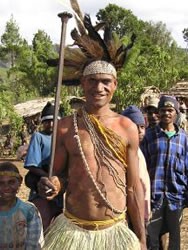
Photo Source:
Anonymous
|
Send Joshua Project a map of this people group.
|
| People Name: | Angaataha, Langimar |
| Country: | Papua New Guinea |
| 10/40 Window: | No |
| Population: | 3,300 |
| World Population: | 3,300 |
| Primary Language: | Angaataha |
| Primary Religion: | Christianity |
| Christian Adherents: | 95.00 % |
| Evangelicals: | 26.00 % |
| Scripture: | New Testament |
| Ministry Resources: | Yes |
| Jesus Film: | Yes |
| Audio Recordings: | No |
| People Cluster: | New Guinea |
| Affinity Bloc: | Pacific Islanders |
| Progress Level: |

|
Introduction / History
The Angaataha—also known as Angaatiha, Angaatiya, or Langimar—are an Indigenous people living in Morobe Province, specifically in the Menyamya District of Papua New Guinea. They are part of the New Guinea people cluster within the Pacific Islanders affinity bloc.
Their language, Angaataha, belongs to the Trans–New Guinea family and is considered a divergent member of the Angan branch. The language has historically developed within the isolated and rugged interior terrain, shaping distinctive linguistic features such as subject–object–verb word order and specialized pragmatic sequencing used for temporal and logical communication.
Angaataha communities share cultural ties with other Angan-speaking groups, and their remote setting preserved cultural uniqueness prior to increased contact with outside groups in the 20th century.
What Are Their Lives Like?
The Angaataha live in inland, village-based communities where daily work centers on subsistence farming, hunting, and gathering forest resources. Their highland environment provides fertile ground for cultivating staple crops, and families work cooperatively to maintain gardens and food supplies. Such patterns of work and interdependence reflect broader rural life across Papua New Guinea's interior.
Family structures are strong and deeply interconnected, with communal responsibilities forming the heart of social life. Villages maintain customary practices, including rites of passage and ceremonial gatherings. Ethnographic records also preserve local stories, traditional rituals such as initiation practices, and narrative traditions, as found in documented oral histories and tales from the Langimar Valley region.
Community celebrations often involve collective feasting, singing, and storytelling that reinforce unity and cultural identity. Despite modern influences, the Angaataha continue to anchor their lives in close kinship networks and cooperative village living.
What Are Their Beliefs?
Christianity—specifically Protestant Christianity—is the primary religious identity among the Angaataha. While some traditional beliefs may be remembered culturally, the prevailing spiritual framework centers on Christian teaching. As with all peoples, they are called to place full trust in the God of the Bible rather than in local spirits or ancestral ritual practices.
What Are Their Needs?
Because the Angaataha live in rural and sometimes difficult-to-access areas of Morobe Province, reliable health care, improved medical access, and trained health workers are ongoing needs. Educational opportunities—especially literacy in both their own language and national languages—would support long-term stability and help prepare the younger generation for future challenges.
Infrastructure improvements such as safer transportation routes and communication access would also strengthen community welfare. Continued development of Scripture and educational resources in the Angaataha language remains important, since the language, though still actively used, benefits from written materials and revitalization support.
Prayer Points
Pray for better access to health care and safe travel for families living in remote Angaataha villages.
Ask the Lord to strengthen family life and unity within the Angaataha communities.
Pray that the Angaataha churches will grow in maturity and become part of the gospel force reaching less?reached peoples nearby.
Lift up efforts to develop and distribute Scripture and educational resources in the Angaataha language.